Soft Braided French Bread Recipe
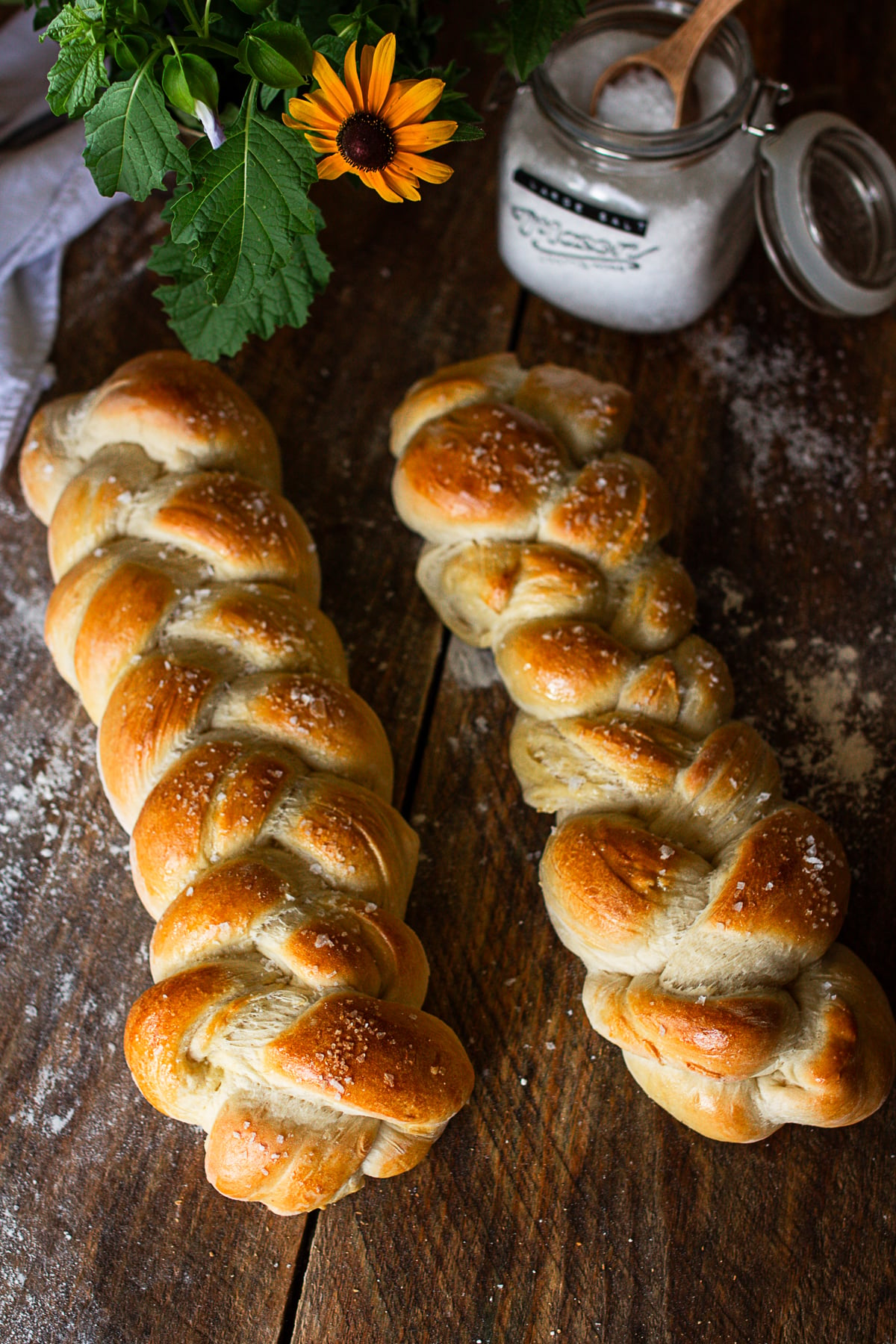
This braided French bread is one of my favorite recipes to make when I want a quick homemade bread to pair with dinner. The dough is soft, simple, and made with pantry staples. The braided shape gives it that beautiful bakery-style look with very little extra effort. Served warm beside soup, pasta, or a roast chicken dinner. It adds such a cozy touch to the table.
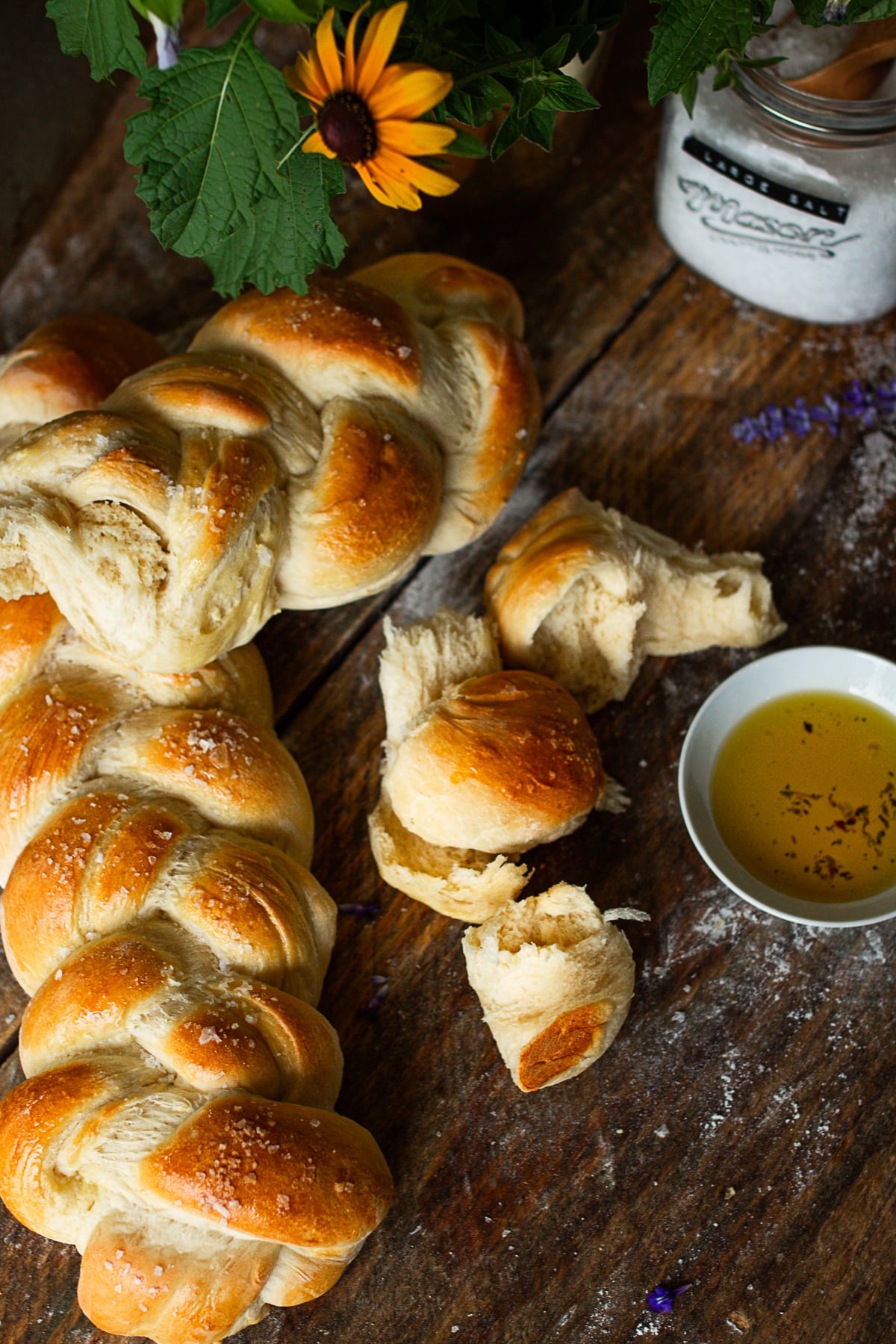
Homemade bread is a regular part of life here at our farmhouse. It goes great with a fresh garden salad, but I also love to serve this loaf with fresh herbed butter, or Chimichurri sauce. It also makes great artisan sandwiches when paired with this delicious homemade mayo. Braiding the dough may make it look impressive, but it is actually incredibly simple and turns an everyday loaf into something that feels a little extra special.
A Quick Look
🍞 Soft, tender braided French bread with a beautiful golden crust
🌾 Made with just 8 simple pantry staple ingredients
✨ The braided loaf looks bakery-style but is surprisingly easy to make
🧈 Perfect served warm with butter alongside soup, pasta, or roast dinners
🏡 A cozy homemade bread recipe for busy days when you still want something special on the table
🥣 Wonderful for everyday family meals, holidays, or sharing with friends and neighbors
Why You'll Love This Recipe
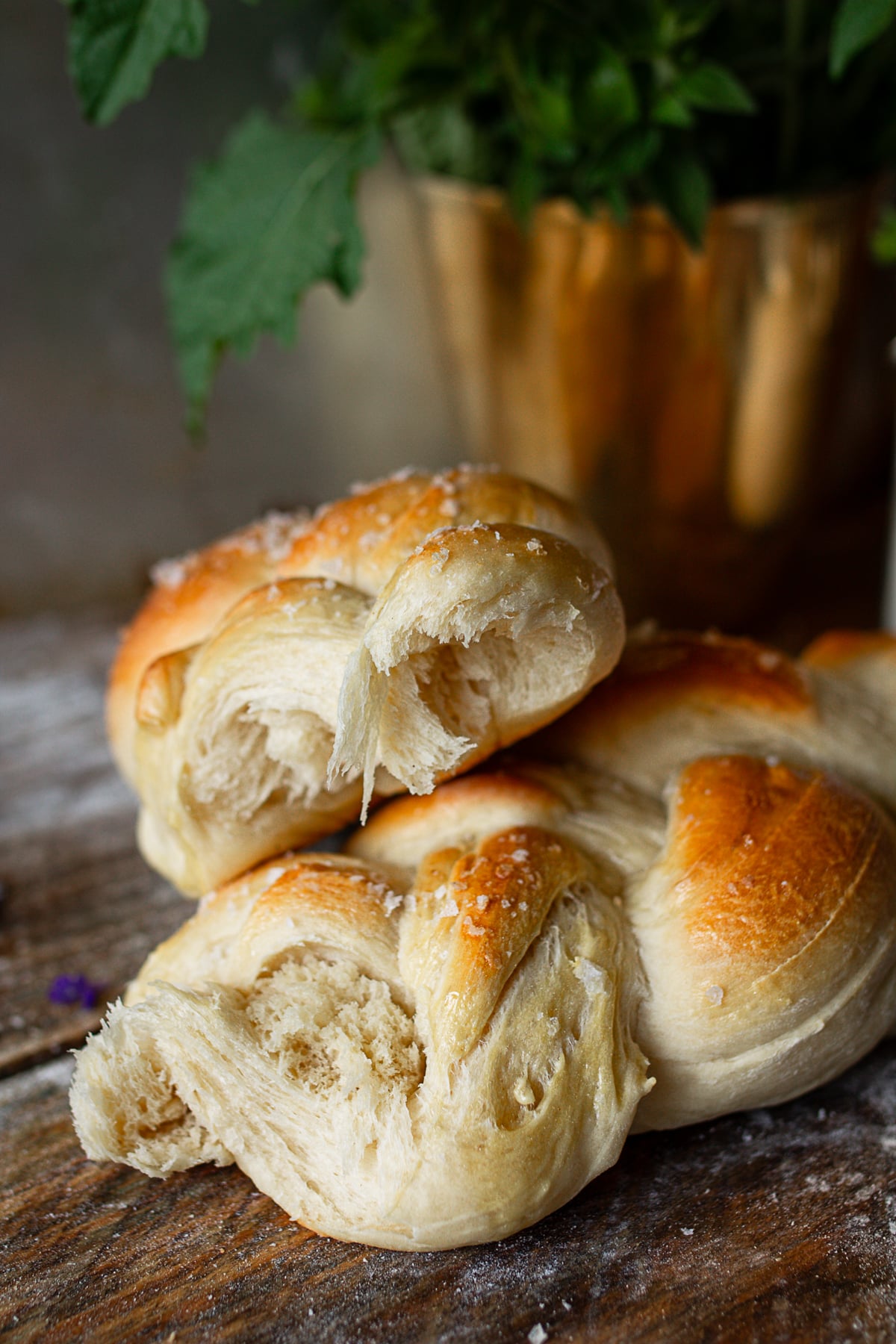
Soft and tender texture- This is not a crusty artisan-style loaf. The milk, olive oil, and egg create a softer bread that slices beautifully and stays tender.
The braid looks impressive- Braiding the dough instantly makes homemade bread feel special, even though the process itself is simple.
Beginner-friendly- You do not need special equipment, bread flour, or complicated techniques to make this recipe successfully.
Perfect for family meals
This bread pairs beautifully with:
- sandwiches
- soups
- chili
- spaghetti
- roast dinners
- homemade butter
- tomato caprese salads
Ingredients
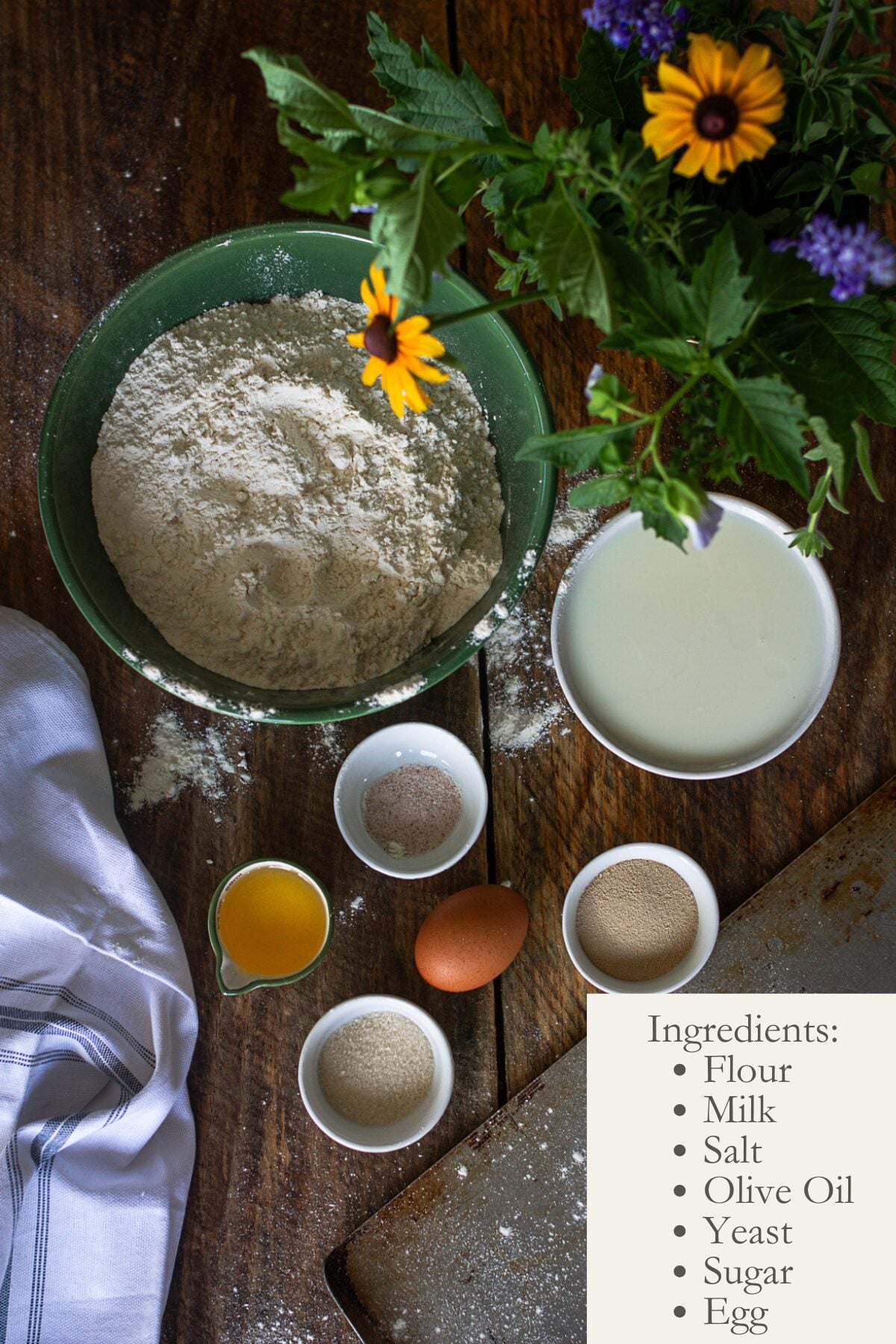
Warm milk: Milk helps create a softer, richer loaf than water-based bread recipes.
Active dry yeast: The yeast gives the bread its beautiful rise and fluffy texture.
Olive oil: Olive oil adds flavor and tenderness to the dough while giving the bread a homemade bakery-style taste.
Egg: The egg enriches the dough slightly and helps create a soft texture.
All-purpose flour: Regular all-purpose flour works beautifully in this recipe, making it easy and accessible for beginner bakers.
Salt: Salt is essential for flavor and helps balance the richness of the dough.
For Brushing the Loaf
- 1 whole egg
- 1 tablespoon milk
How To Make Braided French Bread
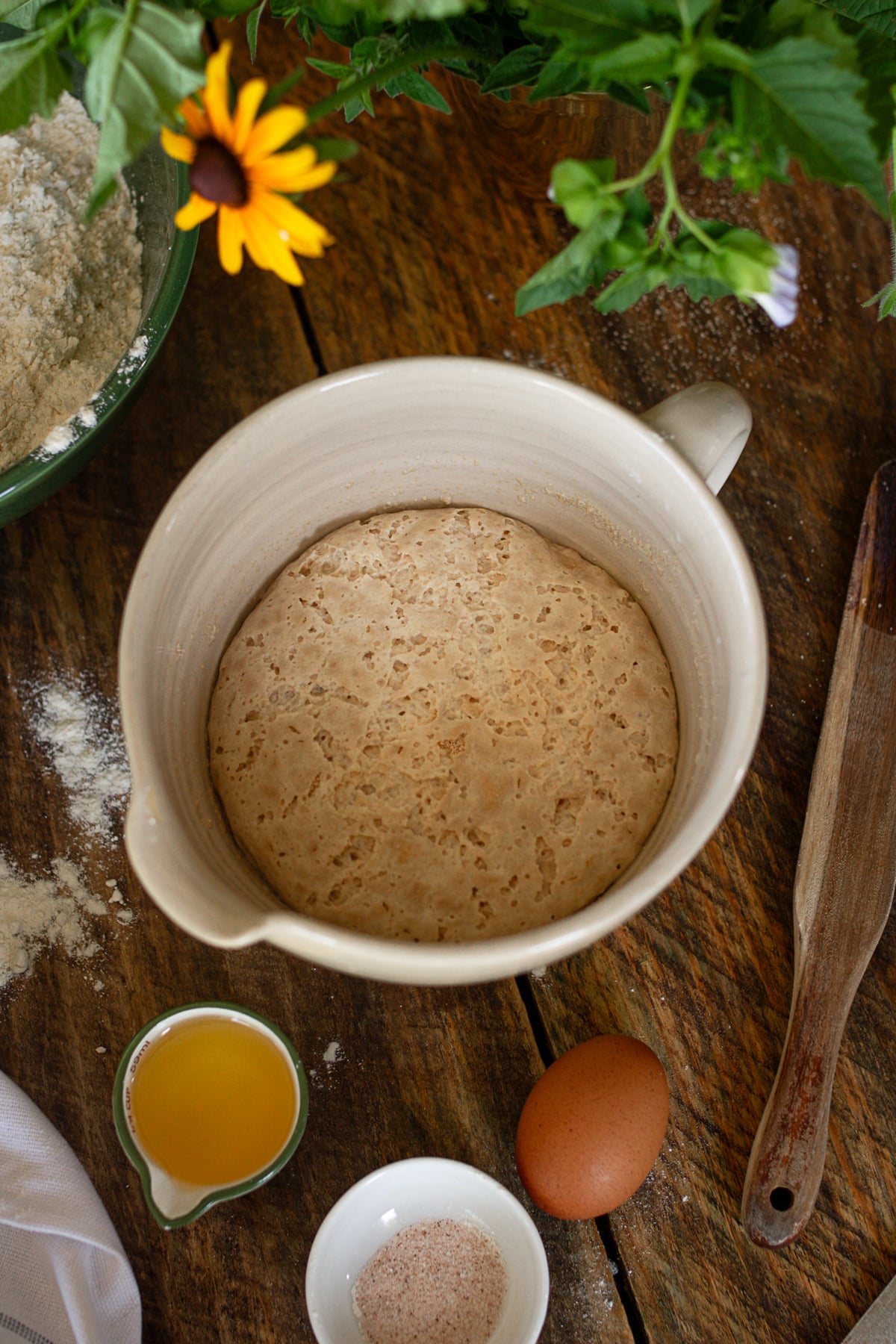
Step 1: Activate the yeast
In a large mixing bowl, combine ½ cup warm milk, yeast, and sugar. Let the mixture sit for about 5-10 minutes until foamy.
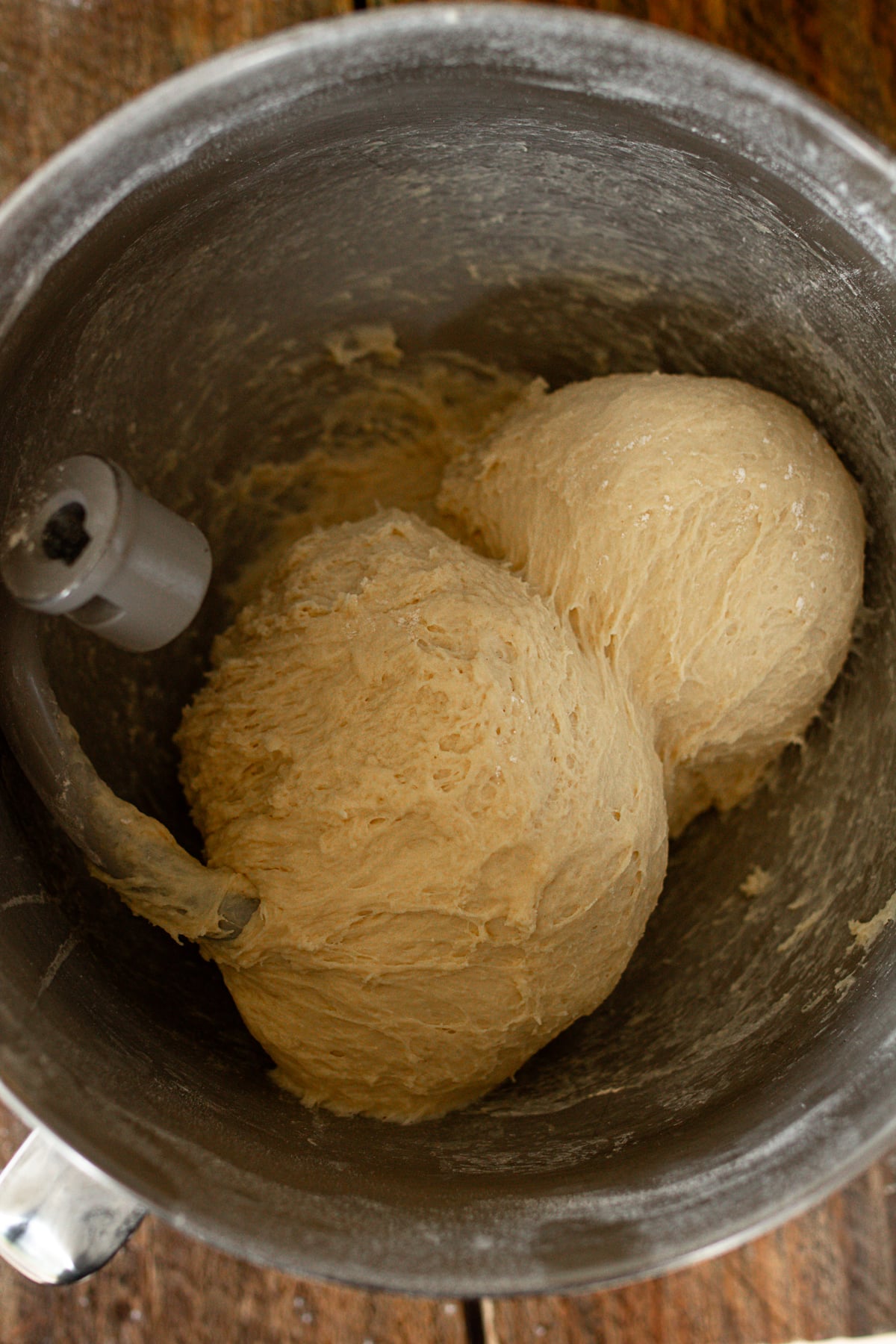
Step 2: Mix the dough
Add the remaining milk, salt, olive oil, egg, and 3 cups of flour. Stir until combined.
Gradually add the remaining flour, one cup at a time, until a soft dough forms. The dough should be soft and slightly tacky but manageable.
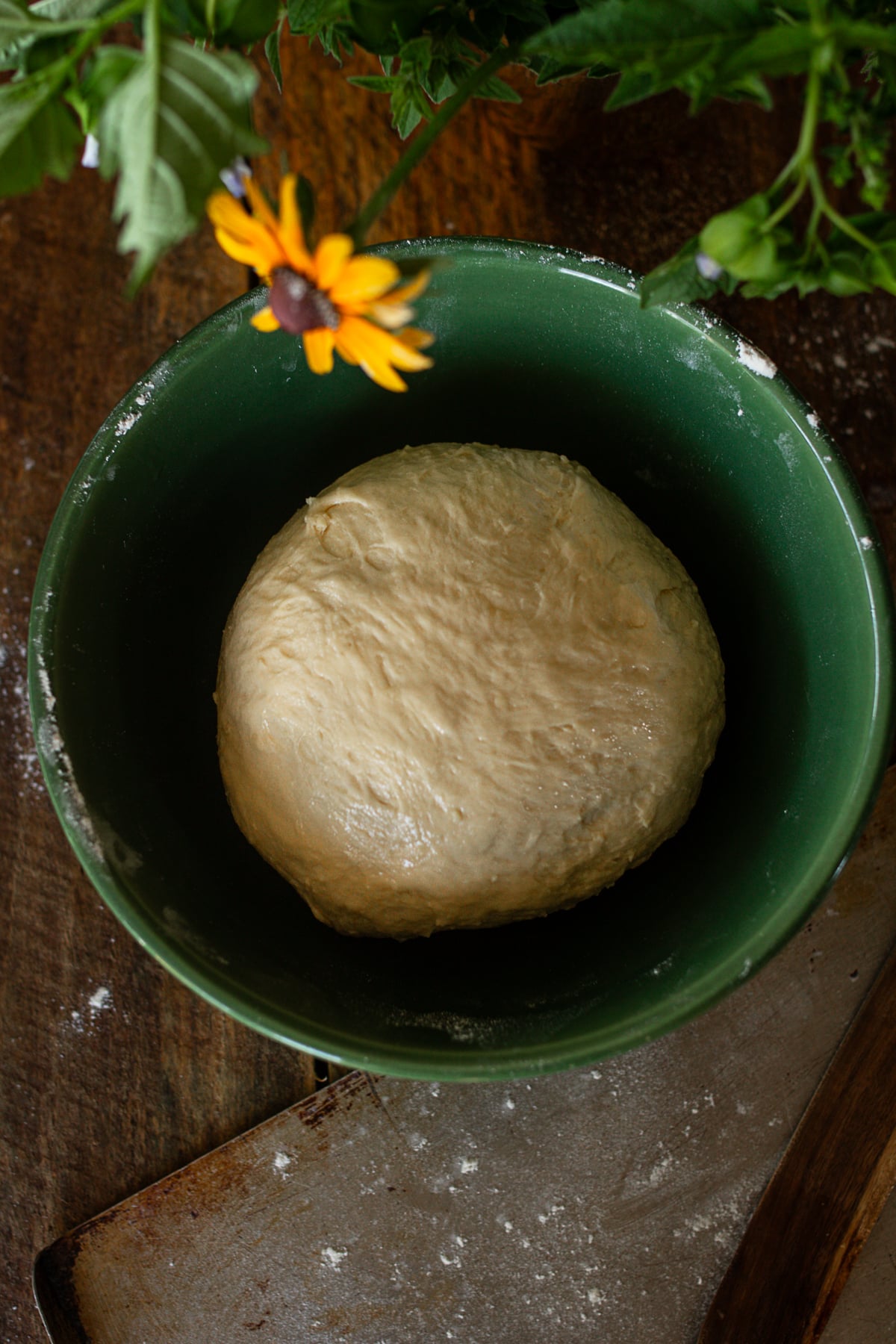
Step 3: First rise
Place the dough into a lightly greased bowl and cover with a towel. Allow it to rise in a warm place for about 1 hour or until doubled in size.
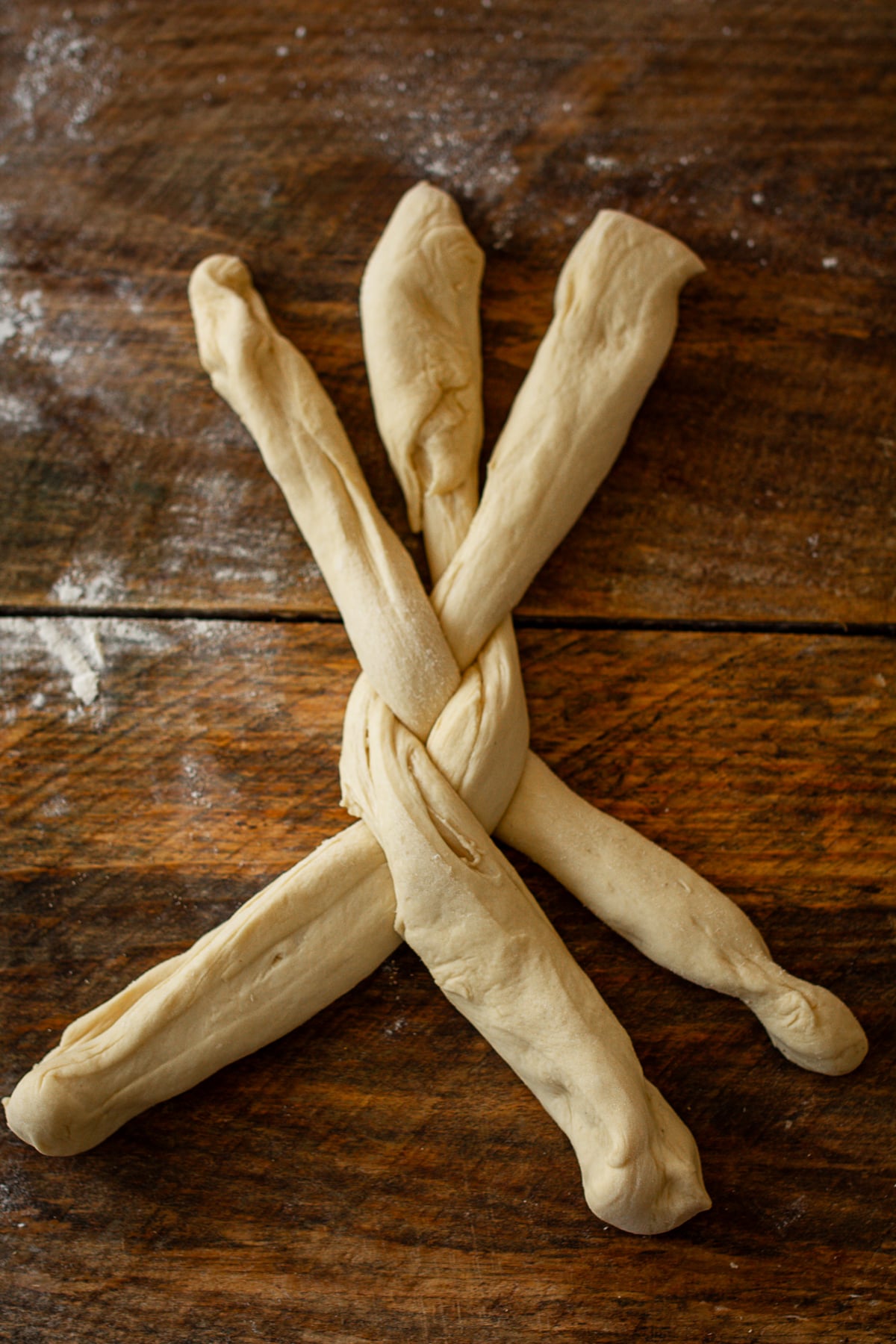
Step 4: Shape the Braids
Punch down the dough and divide it into 2 equal portions. Divide each portion again into 3 equal pieces, giving you 6 total dough ropes.
Roll each piece into a long rope. Create 2 separate braids by pinching 3 ropes together at the top and braiding gently. Tuck the ends underneath.
Place both braided loaves onto parchment-lined baking sheets.
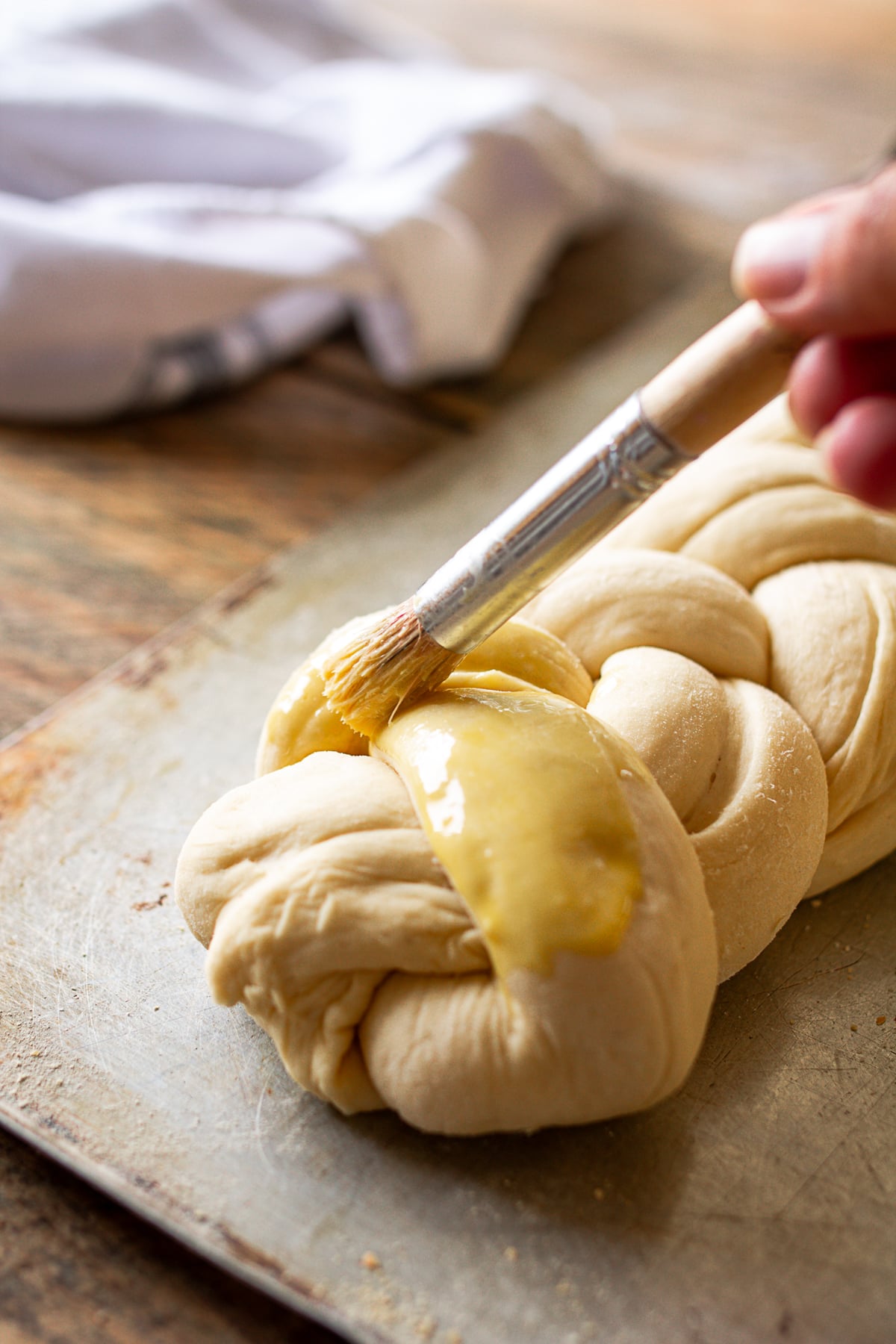
Step 5: Second rise
Cover loosely and allow the loaf to rise again for about 30-45 minutes until puffy.
Brush with egg wash mixture right before baking.
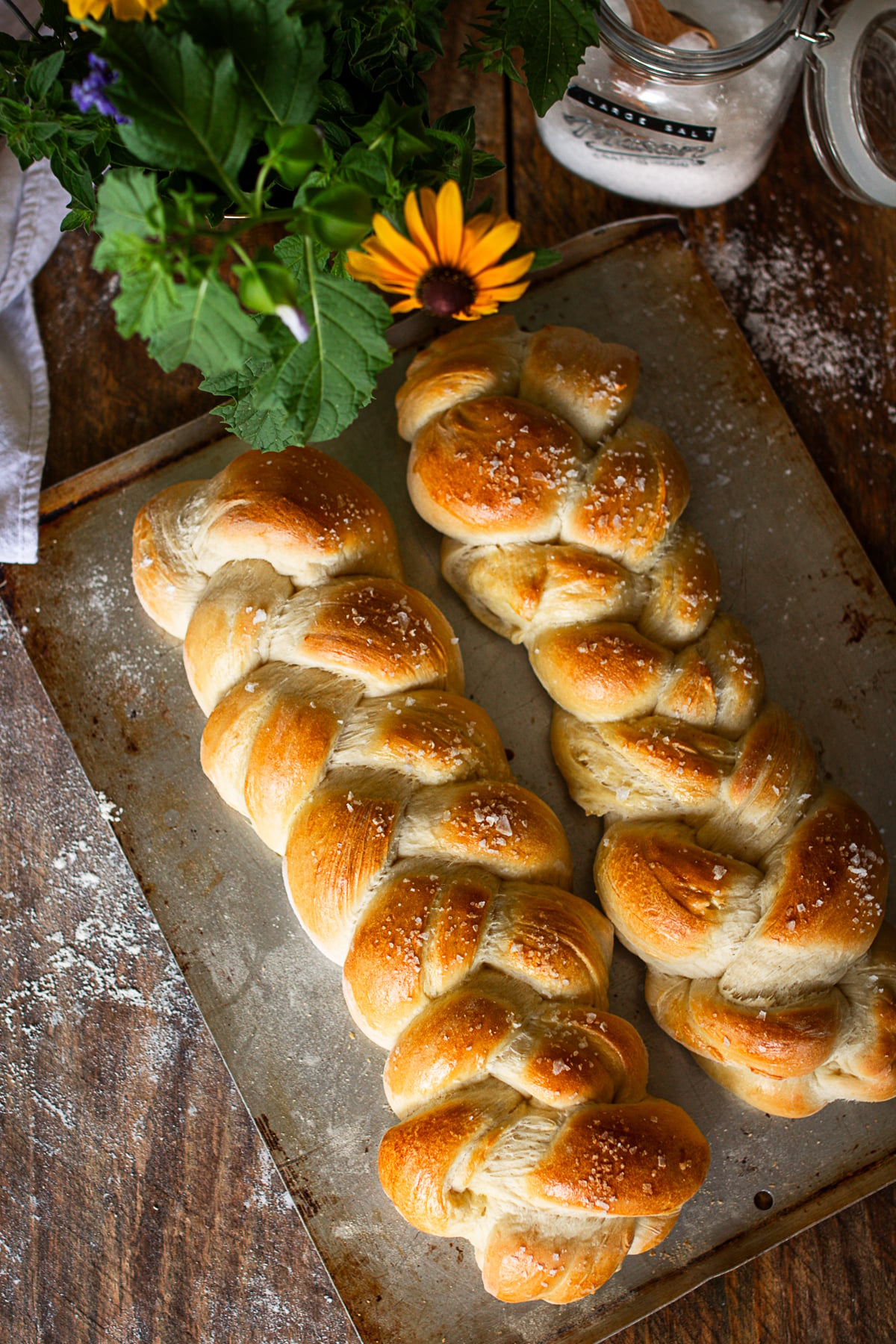
Step 6: Preheat the oven to 375°F.
Mix the water and olive oil together and gently brush over the loaf.
Bake for 25-30 minutes or until the bread is deeply golden and sounds hollow when tapped.
Substitutions and Variations
Add herbs or garlic: Fresh rosemary, thyme, roasted garlic, or Italian seasoning can be kneaded into the dough for extra flavor.
Top with flaky salt or sesame seeds: Before baking, sprinkle the braided loaves with flaky salt, sesame seeds, or grated parmesan cheese for a more artisan-style finish.
Make smaller braided loaves: Instead of two large loaves, divide the dough into smaller braids for dinner parties, gifting, or holiday gatherings.
Brush with butter after baking: For an extra soft crust, brush the warm loaves with melted butter as soon as they come out of the oven.
Equipment
You do not need much equipment to make this braided French bread, which is one reasons it's a favorite in our kitchen. A large mixing bowl, a baking sheet, parchment paper, and a pastry brush are the main essentials. A stand mixer with a dough hook can make kneading easier, but this dough also comes together beautifully by hand the old-fashioned way
Bread Storage
Store the braided French bread in an airtight container or bread bag at room temperature for up to 3 days. For the best texture, keep the loaf whole and slice as needed. This bread is especially delicious warmed slightly with butter the next day.
For longer storage, wrap the cooled loaves tightly and refrigerate for two weeks. Can also freeze for a month. Thaw at room temperature and warm in the oven for a few minutes before serving.
Expert Tips
Use warm milk for the best rise: The milk should feel warm and comfortable to the touch, similar to warm bath water. If it feels hot, let it cool slightly before adding the yeast.
Flour can vary slightly from kitchen to kitchen: Humidity, flour brands, and even the season can affect bread dough. Start with 5 cups of flour and add a little more if needed until the dough feels soft and workable.
Do not rush the rise time: A full rise gives the bread its soft texture and beautiful shape. In cooler kitchens, the dough may simply need a little extra time.
Bake until deeply golden: The loaves should have a rich golden crust when finished baking. This helps ensure the center is fully baked while giving the bread the best flavor and texture.
FAQ
Yes. You can prepare the dough the night before and place it in the refrigerator after the first rise. The next day, let the dough sit at room temperature for about 30-45 minutes before shaping and baking.
This bread is delicious served with soup, pasta, roast chicken, salad, or simply warm with butter and homemade jam.
Looking for other recipes like this? Try these:




Soft Braided French Bread
Ingredients
For The Dough
- 2 cups whole warm milk (80-100F) 475 ml
- 1½ Tablespoons active dry yeast 13 grams
- 1 Tablespoons granulated sugar 12 grams
- 2 teaspoons salt 12 grams
- 5 to 5¼ cups all-purpose flour 600-630 grams
- ¼ cup olive oil 60 ml
- 1 large egg
For Brushing
- 1 whole egg
- 1 tablespoon milk 15 ml
Instructions
- In a large mixing bowl, combine the warm milk (100F), yeast, and sugar. Allow the mixture to sit for 5-10 minutes until foamy.
- Add the remaining milk, salt, olive oil, egg, and 3 cups of flour. Stir until combined.
- Gradually add the remaining flour until a soft dough forms. The dough should feel soft and workable.
- Knead the dough on a lightly floured surface for 8-10 minutes until smooth and elastic. You can also knead the dough in a stand mixer with a dough hook for about 6-7 minutes.
- Place the dough into a lightly greased bowl, cover, and allow it to rise in a warm place for about 1 hour or until doubled in size.
- Punch down the dough and divide it into 2 equal portions. Divide each portion again into 3 equal pieces, giving you 6 total dough ropes.
- Roll each piece into a long rope. Create 2 separate braids by pinching 3 ropes together at the top and braiding gently. Tuck the ends underneath.
- Place the braided loaves onto parchment-lined baking sheets. Cover loosely and allow the loaves to rise again for 30-45 minutes until puffy.
- Preheat the oven to 375°F.
- Whisk together the egg and milk and gently brush over the loaves. Sprinkle with flaky sea salt.
- Bake for 25-30 minutes or until the loaves are deeply golden brown and sound hollow when tapped.
- Allow the bread to cool slightly before slicing and serving warm.
Video
Notes
The milk should feel warm, not hot, before adding the yeast.
Bread flour can be substituted for a slightly chewier texture.
Brush warm loaves with melted butter after baking for an extra soft crust.





Looks undeniably scrumptious! And so pretty. For those of us who, sadly, have to eat gluten free, have you ever tested this recipe using a gluten free all-purpose flour? Thank you!
Hi Melanie! Thank you so much for the incredibly sweet comment, it truly made my day!
To be completely honest, I haven't tested this specific recipe with a gluten-free all-purpose blend yet. Because this is a traditional yeast bread that relies heavily on gluten to get those stretchy, pillowy strands, a simple 1:1 swap can be tricky.
If you do give it a try, I highly recommend using a premium 1:1 baking blend that already contains xanthan gum. Just a heads-up on the texture: gluten-free yeast dough behaves totally differently than wheat dough. It won't pull away from the sides of the bowl or become smooth and elastic like traditional dough. It will look much more like a thick, sticky batter. Don't be tempted to add extra flour to try and get it to release from the bowl, or the bread will bake up too dense! You'll likely need to oil your hands heavily to handle and shape the braid.
If you decide to experiment with it, I would absolutely love to hear how it turns out for you! Have a beautiful week! 🤍
I am absolutely in love with this Braided French Bread recipe! It looks like it came straight out of an artisan bakery, but it is secretly made with just a few simple pantry staples. The crust turns out perfectly golden with that beautiful flaky texture from the coarse salt, while the inside stays incredibly soft, pillowy, and tender. The step-by-step photos for activating the yeast and braiding the dough make it completely foolproof, and serving it warm dipped in herbed olive oil was a massive hit with my family—this has officially earned a permanent spot in our regular baking rotation!