Classic Buttery Shortbread Cookies Recipe
Shortbread cookies are one of my favorite cookies to make because they are not overly sweet, pair well with so many desserts, and make beautiful little sandwich cookies filled with fruit preserves or homemade fillings. Their buttery texture and delicate crumb give them a classic bakery-style feel while still being made with simple pantry staples right at home.
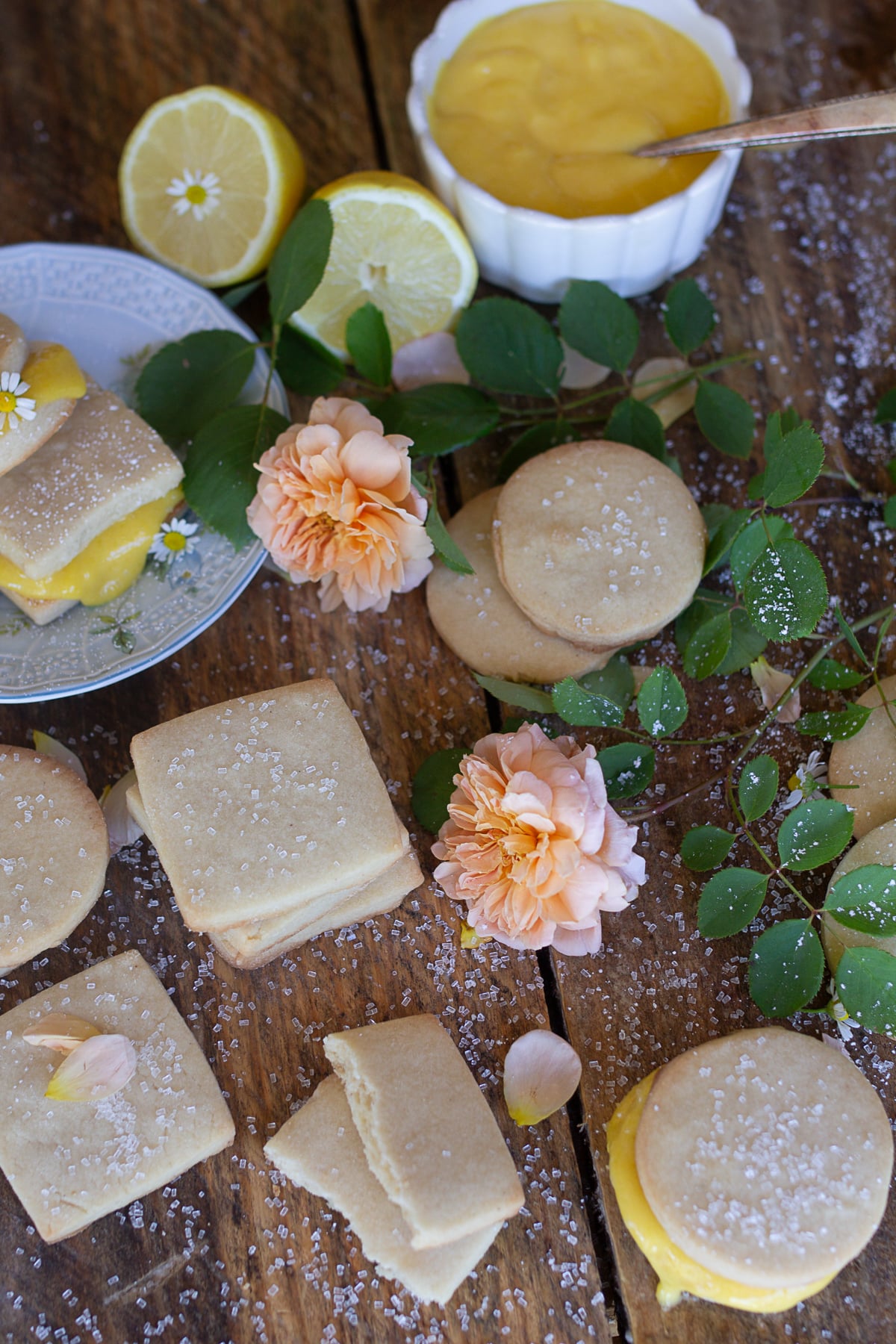
I recently made these for a baby shower using my homemade lemon curd and the raspberry frosting from my ombre cookie recipe as fillings, and they disappeared almost immediately. They would also be delicious filled with fluffy 7-minute frosting and frozen like little homemade ice cream sandwiches for summer gatherings and holidays.
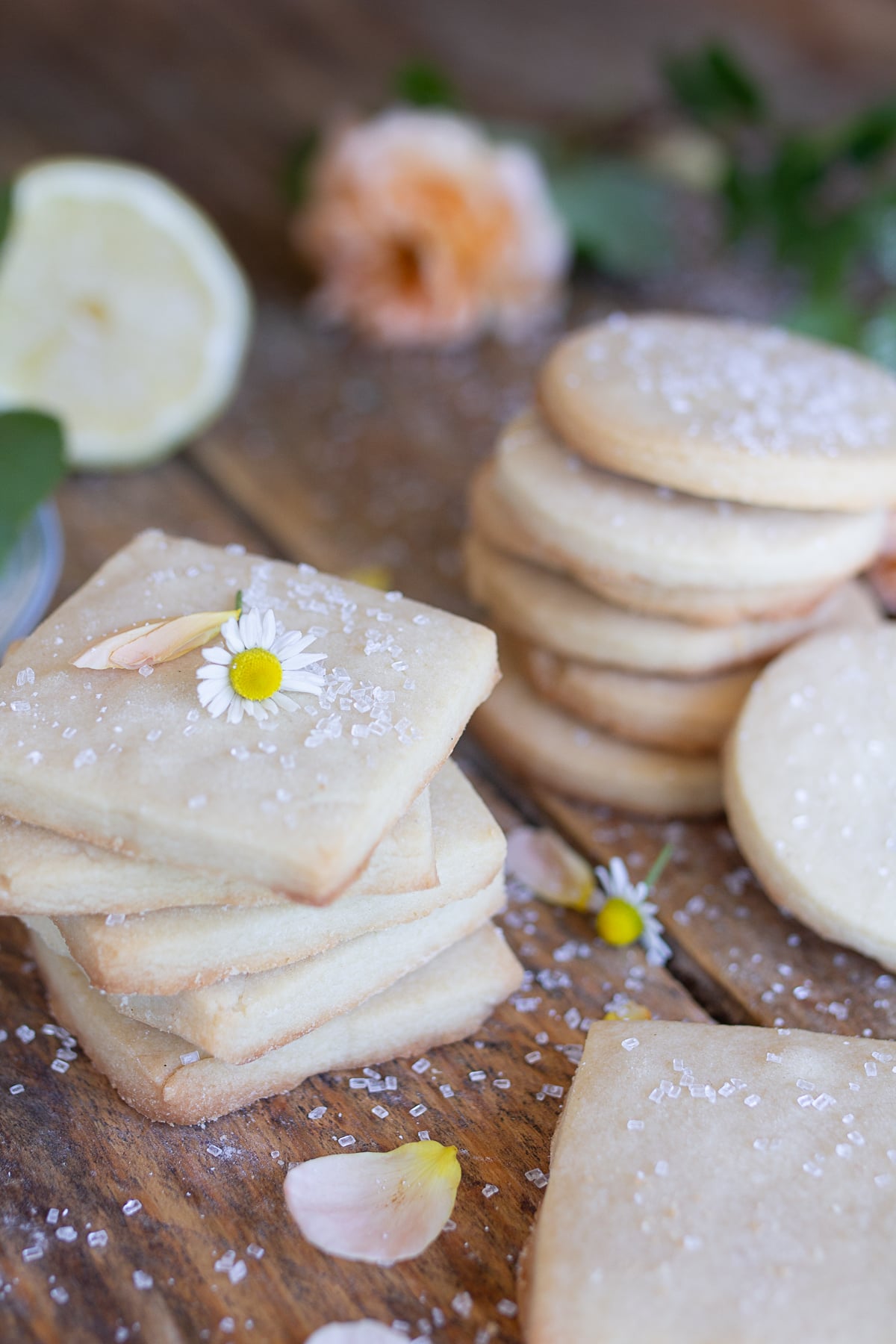
Quick Look at This Recipe
🧈 Texture: Buttery, tender crumb with lightly crisp edges
🍪 Style: Classic old-fashioned shortbread cookies
⏲️ Time: 15 min prep, 12-15 min bake, optional 1 hr chill
🌸 Best For: Holiday trays, gifting, baby showers, sandwich cookies
🍋 Filling Ideas: Lemon curd, raspberry frosting, jam, buttercream
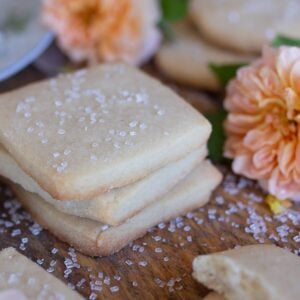
✨ Appearance: Lightly golden edges with soft pale centers
👩🏻🍳 Skill Level: Beginner-friendly and easy to make ahead
💡 Pro Tip: Roll the dough about ¼-inch thick for the best buttery shortbread texture
Ingredients
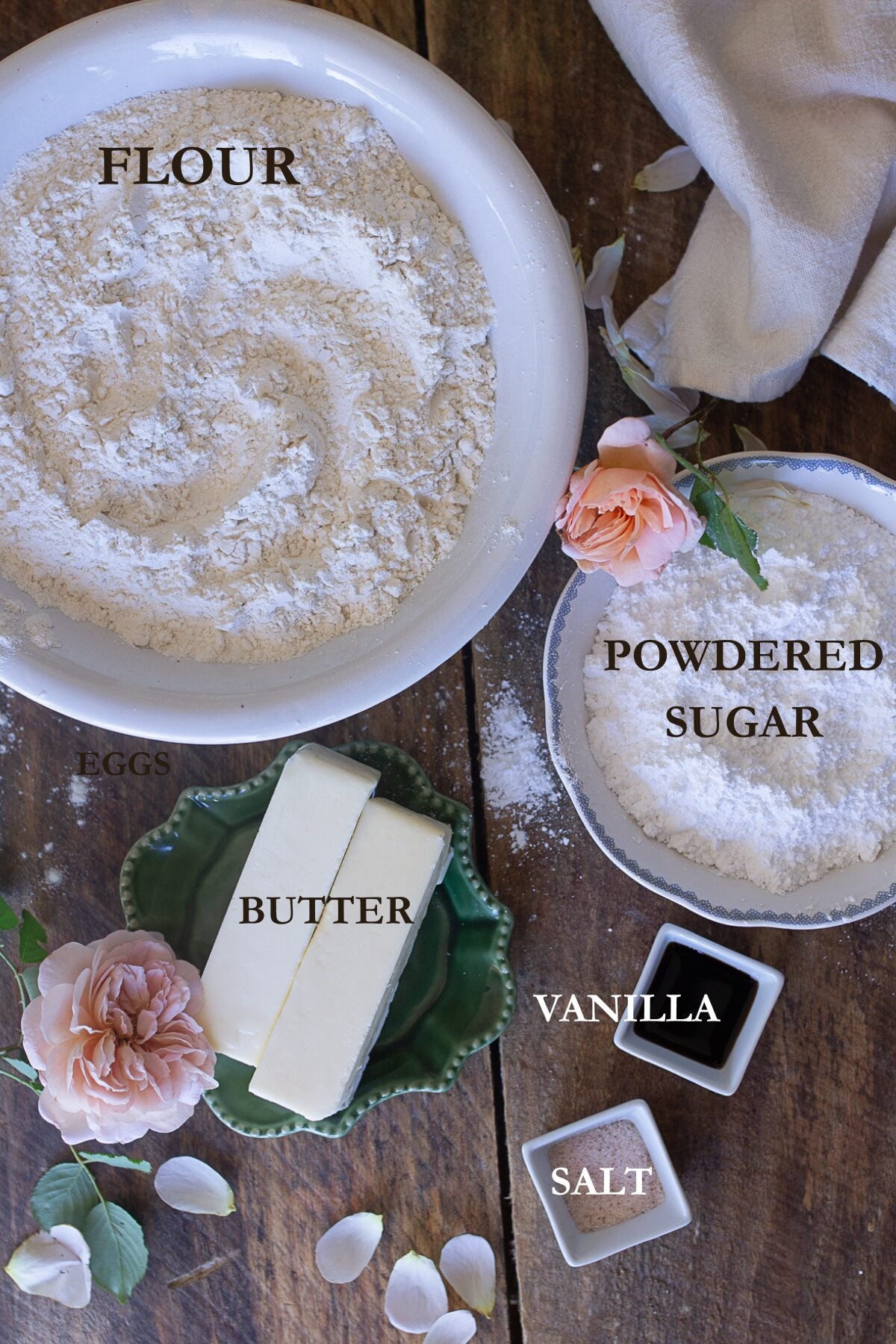
- Salted Butter - Butter is the star of shortbread cookies, so using a high-quality butter makes a noticeable difference in flavor and texture. Rich butter creates that classic tender crumb and buttery melt-in-your-mouth consistency shortbread is known for.
- Powdered Sugar - Powdered sugar gives these cookies a softer, more delicate texture than granulated sugar and blends smoothly into the butter for a tender dough.
- Vanilla Extract - A good-quality vanilla extract adds warmth and depth to the cookies without overpowering the buttery flavor.
- All-Purpose Flour - Flour gives the cookies structure while still allowing them to stay tender and delicate. Measure carefully to avoid dry or overly crumbly dough.
- Salt - A small amount of salt balances the sweetness and enhances the rich buttery flavor throughout the cookies.
Instructions
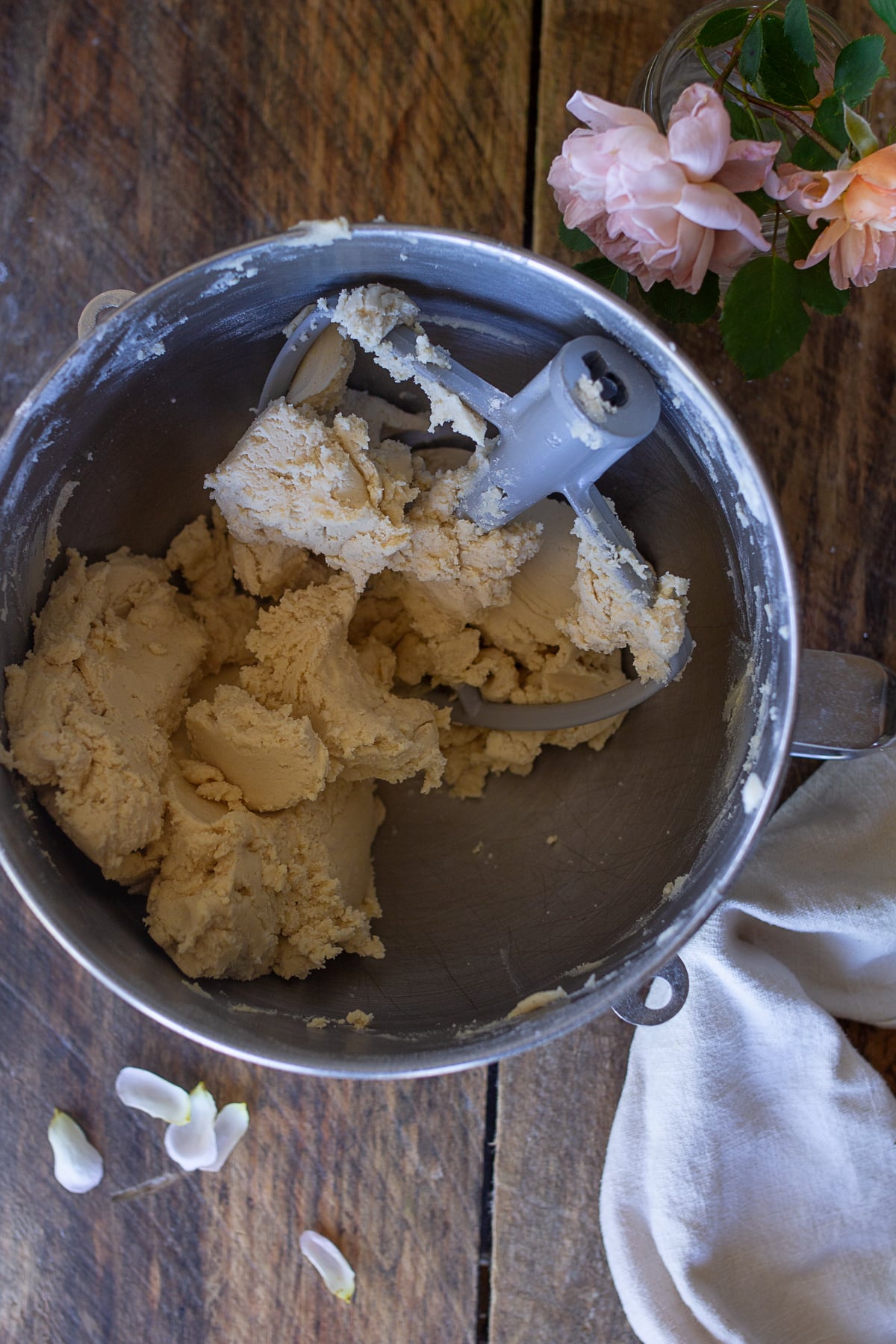
- Step 1: In a large mixing bowl, cream together the softened butter and powdered sugar until smooth and creamy. Mix in the vanilla extract.
- Step 2: Add the flour 1 cup at a time, mixing until fully incorporated. Add the salt with the final cup of flour. The dough will be soft, thick, and slightly crumbly.
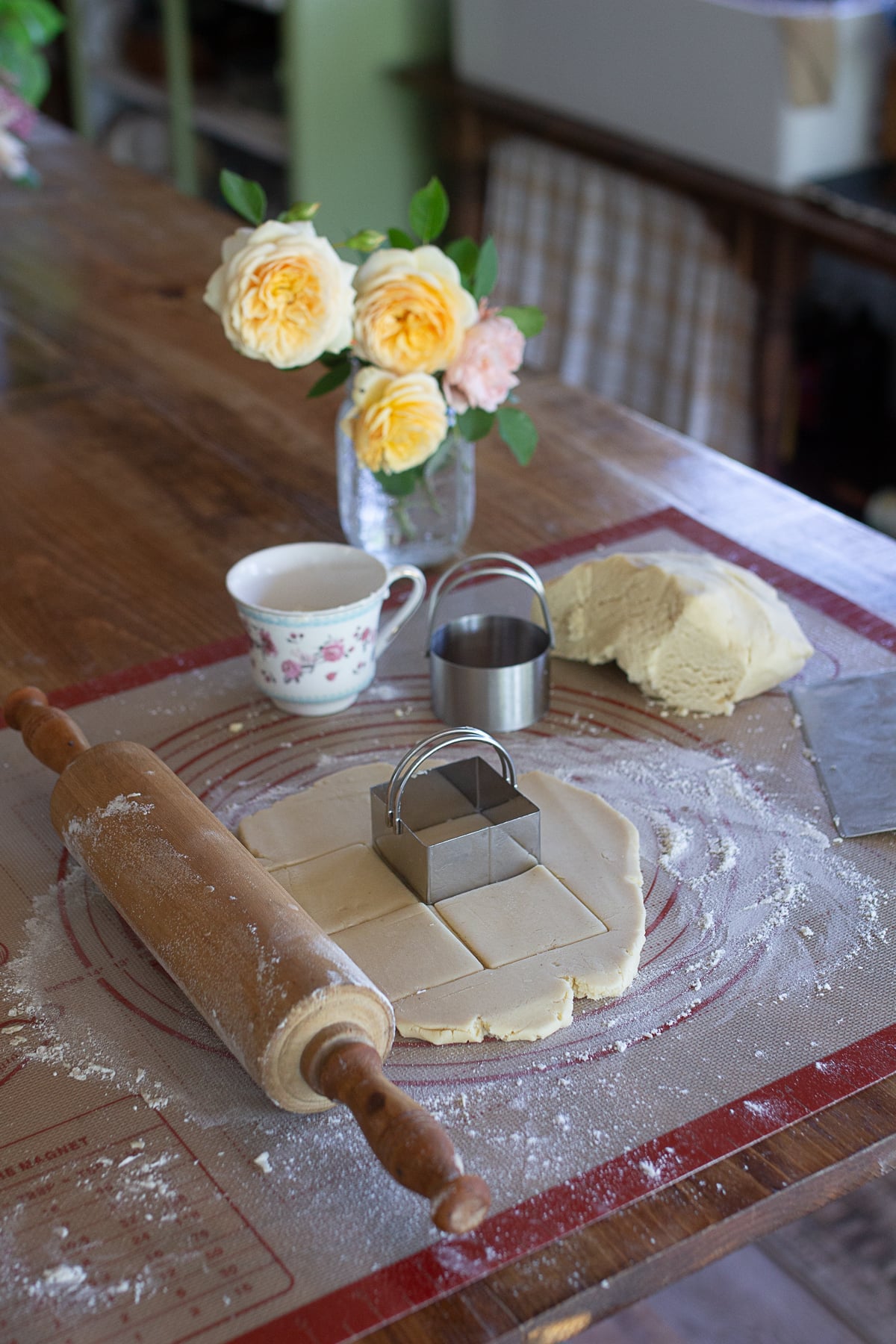
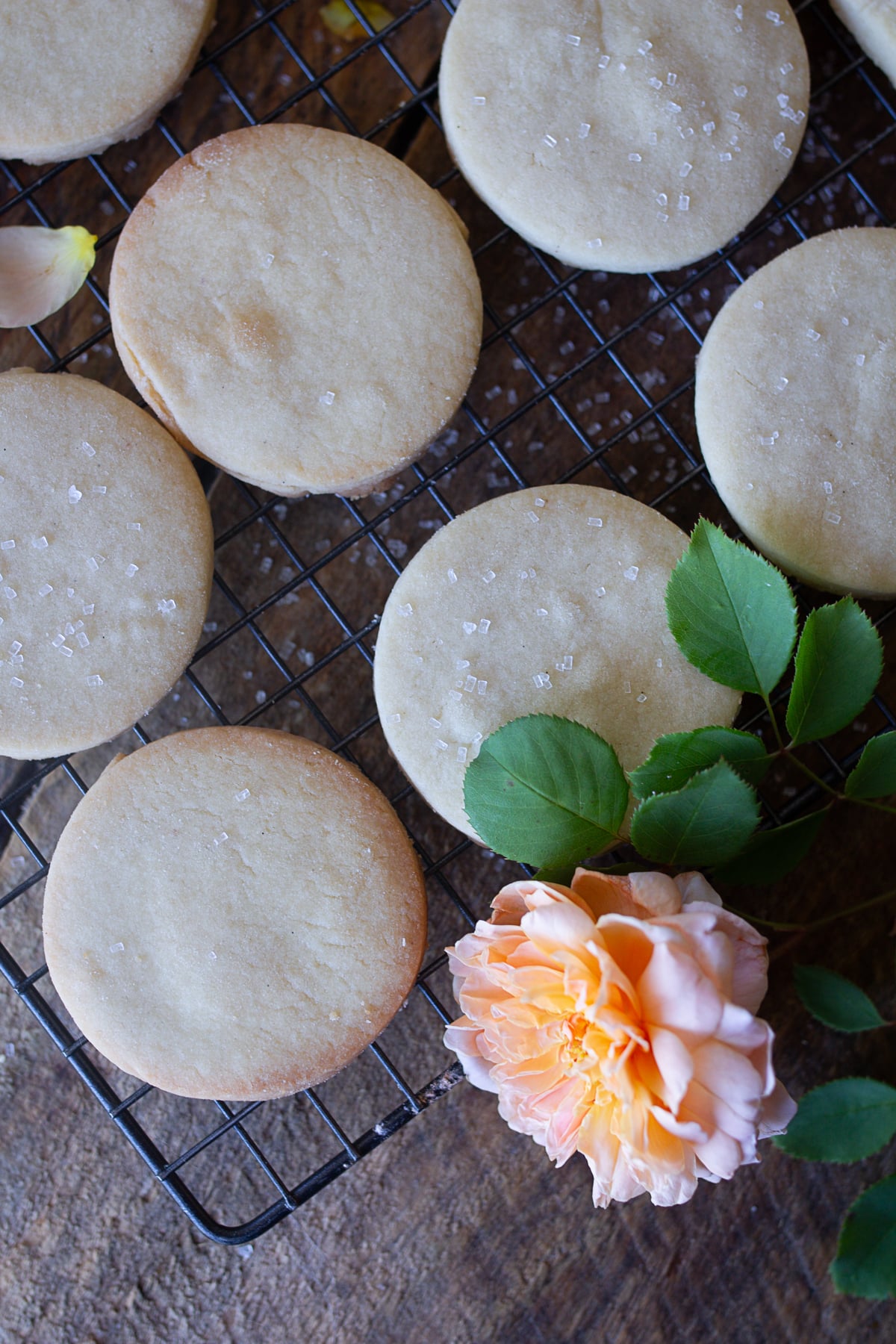
- Step 3: Divide the dough into 2 sections and gently shape each into a disk. Lightly flour your work surface and roll the dough to about ¼-inch thick. Shortbread dough is softer and more delicate than sugar cookie dough, so small cracks around the edges are completely normal.
- Step 4: Cut into shapes and use a spatula or bench scraper to carefully transfer the cookies to parchment-lined baking sheets. If the dough cracks or feels too delicate to lift by hand, that is actually a sign of a tender shortbread texture. If needed, refrigerate the dough for 15-20 minutes before transferring.
Hint: A bench scraper makes transferring these cookies much easier since shortbread dough is softer and more delicate than traditional sugar cookie dough. Don't worry if a few sides crack while rolling, that tender texture is exactly what you want in a classic shortbread cookies. A gentle tap with your finger seals it up again.
Substitutions & Variations
- Almond Extract - Replace a small portion of the vanilla extract with almond extract for a more bakery-style flavor that pairs beautifully with raspberry or cherry fillings.
- Citrus Shortbread - Add fresh lemon or orange zest to the dough for a brighter flavor that works especially well for spring and holiday baking.
- Jam Sandwich Cookies - Use these shortbread cookies to make sandwich cookies filled with raspberry jam, strawberry preserves, lemon curd, or homemade buttercream frosting.
- Chocolate Drizzle - Once cooled, drizzle the cookies with melted dark or white chocolate for a simple bakery-style finish.
Equipment
- Stand Mixer or Hand Mixer - A mixer helps cream the butter and powdered sugar together smoothly, creating that classic tender shortbread texture.
- Rolling Pin - Since shortbread dough is rolled thicker than many cut-out cookies, a sturdy rolling pin helps keep the dough even without overworking it.
- Bench Scraper or Thin Spatula - One of the most helpful tools for this recipe. Shortbread dough is naturally delicate, and a bench scraper makes it much easier to transfer the cut cookies to the baking sheet without breaking.
- Parchment Paper - Prevents sticking and helps the cookies bake evenly without overbrowning on the bottoms.
- Cookie Cutters - I used square and round cookie cutters for these photos, but any shape works beautifully for shortbread cookies, especially during the holidays.
Storage
Store the cooled shortbread cookies in an airtight container at room temperature for up to 5 days. Their buttery texture actually stays wonderfully tender for several days, making them perfect for holiday baking and homemade gifting.
For longer storage, freeze the baked cookies in a freezer-safe container with parchment paper between the layers for up to 3 months. Allow them to come to room temperature before serving.
You can also refrigerate the dough for up to 24 hours before rolling and baking. If the dough becomes too firm after chilling, let it sit at room temperature for 10-15 minutes to soften slightly before rolling out.
Top Tip
Bake the cookies just until the edges are lightly golden while the centers still look pale. Overbaking shortbread can make the cookies dry and crisp instead of tender and buttery.
FAQ
Shortbread cookies are meant to have a tender, delicate texture, but the dough should still roll out smoothly and hold its shape once cut. Small cracks around the outer edges while rolling are completely normal, especially before the dough fully comes together under the rolling pin.
However, if the dough is cracking throughout, looks dry or marbled, or will not hold together once cut, too much flour was likely added. The dough should feel soft, buttery, and easy to press back together with your hands.
Shortbread cookies usually become hard from overbaking. Bake them only until the edges are lightly golden while the tops remain mostly pale.
Powdered sugar is best for this shortbread cookies recipe because it creates a softer, more delicate dough and a tender, melt-in-your-mouth texture after baking. It blends into the butter easily and gives the cookies a smoother crumb.
In a pinch, granulated sugar can work, but it will change the texture. The dough may feel slightly grainier, the cookies may spread a little differently, and the final texture will usually be a bit more crisp than soft and tender.
For the closest swap, use 1 ½ cups granulated sugar in place of the powdered sugar, but mix it with the softened butter a little longer so the sugar has time to break down into the butter. Just know the cookies will still bake up more like a crisp butter cookie than the softer shortbread texture this recipe is written for.
Looking for other recipes like this? Try these:

Shortbread Cookies
Ingredients
- 2 cups butter salted, softened
- 1 ½ cups powdered sugar
- 1 teaspoon vanilla extract
- 4 cups all-purpose flour
- 1 teaspoon salt
Instructions
- Preheat oven to 325°F and line baking sheets with parchment paper.
- In a large bowl, cream together the softened butter, powdered sugar, and vanilla extract until smooth and creamy.
- Add the flour 1 cup at a time, mixing until fully incorporated. Add the salt with the final cup of flour.
- Divide the dough into 2 sections and gently shape each into a disk. This helps prevent cracking while rolling.
- Optional: Cover and chill the dough for 1 hour or up to 24 hours before rolling. Chilling creates cleaner cuts and makes the dough easier to transfer, but you can also roll it immediately if needed.
- Lightly flour your work surface and roll the dough to about ¼-inch thick. Shortbread dough is softer and more delicate than sugar cookie dough, so some cracking around the edges is completely normal. Roll gently and the cracks will begin to smooth back together as you work.
- Cut into shapes and use a spatula or bench scraper to carefully transfer the cookies to the prepared baking sheets. Shortbread dough is much more delicate than sugar cookie dough, so it is completely normal for the cookies to crack or fall apart if you try to lift them with your hands. That soft, tender texture is exactly what creates the classic buttery shortbread consistency once baked.
- Bake for 12-15 minutes, or until the edges are just lightly golden while the tops remain mostly pale.
- Allow cookies to cool on the pan for several minutes before transferring to a wire rack to cool completely.
Video
Notes
- This recipe makes a larger batch, ideal for families or baking ahead.
- Dough can be refrigerated up to 24 hours before rolling.
- If the dough cracks while rolling, let it sit at room temperature for a few minutes to soften.
- Avoid overmixing to keep the cookies tender and buttery.




These shortbread cookies have quickly become one of my favorite simple desserts to keep on hand. They have the most delicate buttery texture without being overly sweet, and they pair beautifully with everything from lemon curd to raspberry frosting and homemade jams. I recently made them for a baby shower as little sandwich cookies, and they were met with rave reviews. This is one of those timeless recipes that feels simple, beautiful, and special all at once.