Authentic Brioche Buns Recipe (Soft & Buttery)
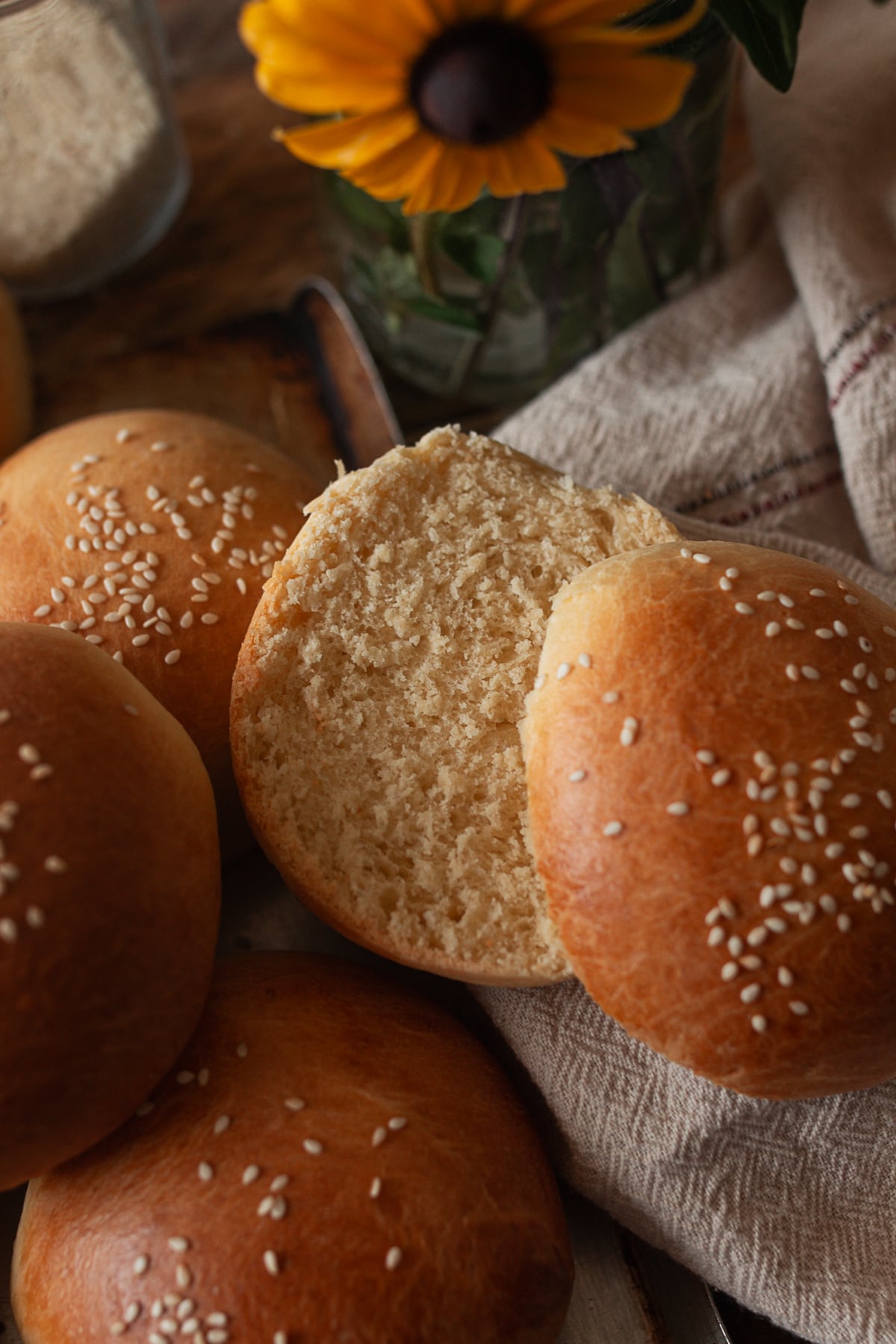
When early summer hits on our homestead and the crisp mornings make way for hotter days, we love a good hamburger on the grill for dinner. This brioche buns recipe is my favorite way to serve them up. These authentic brioche burger buns from scratch are soft, rich, and buttery with that golden bakery-style finish that makes any homemade burger feel special. Made with seven simple ingredients including eggs, butter, and milk, they bake up light and tender with a delicate crumb that holds up beautifully to juicy burgers and all the toppings.
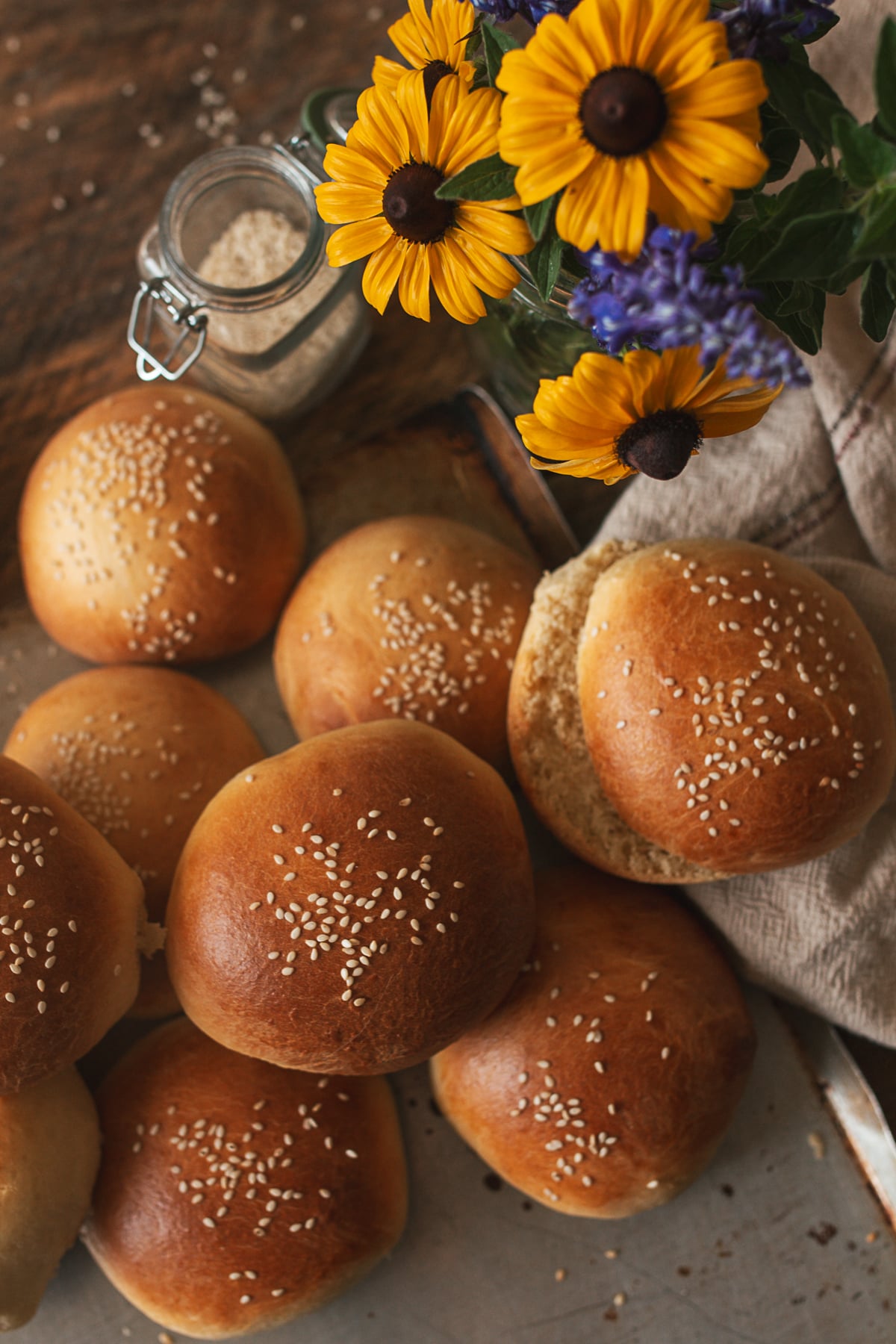
This is one of those recipes that really shines in the warmer months, especially when grilling season picks up and meals move outside. These brioche buns are perfect for summer gatherings like the Fourth of July, casual cookouts, or even packing along for a day at the lake or a family camping trip. They freeze beautifully, which makes them easy to make ahead and keep on hand. Around here, we tend to be a little spontaneous with our barbecues, so having a batch of homemade buns ready to pull from the freezer has saved dinner more times than I can count.
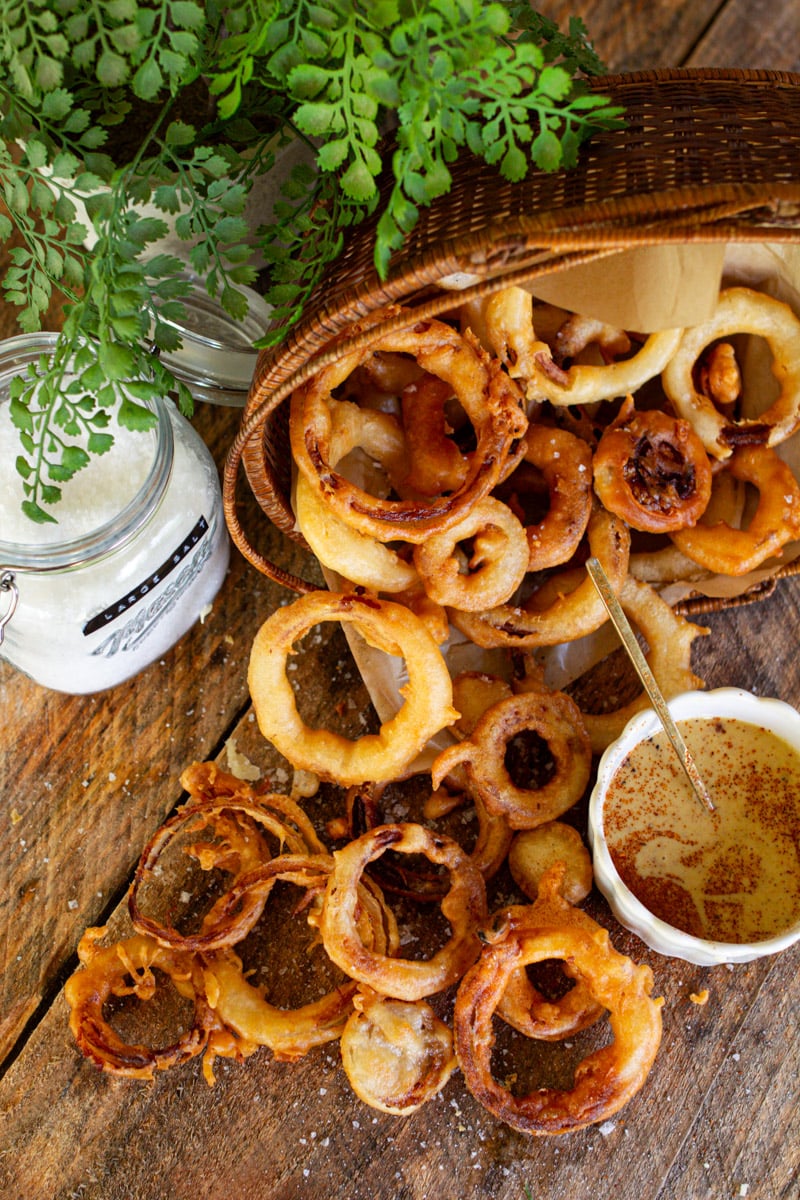
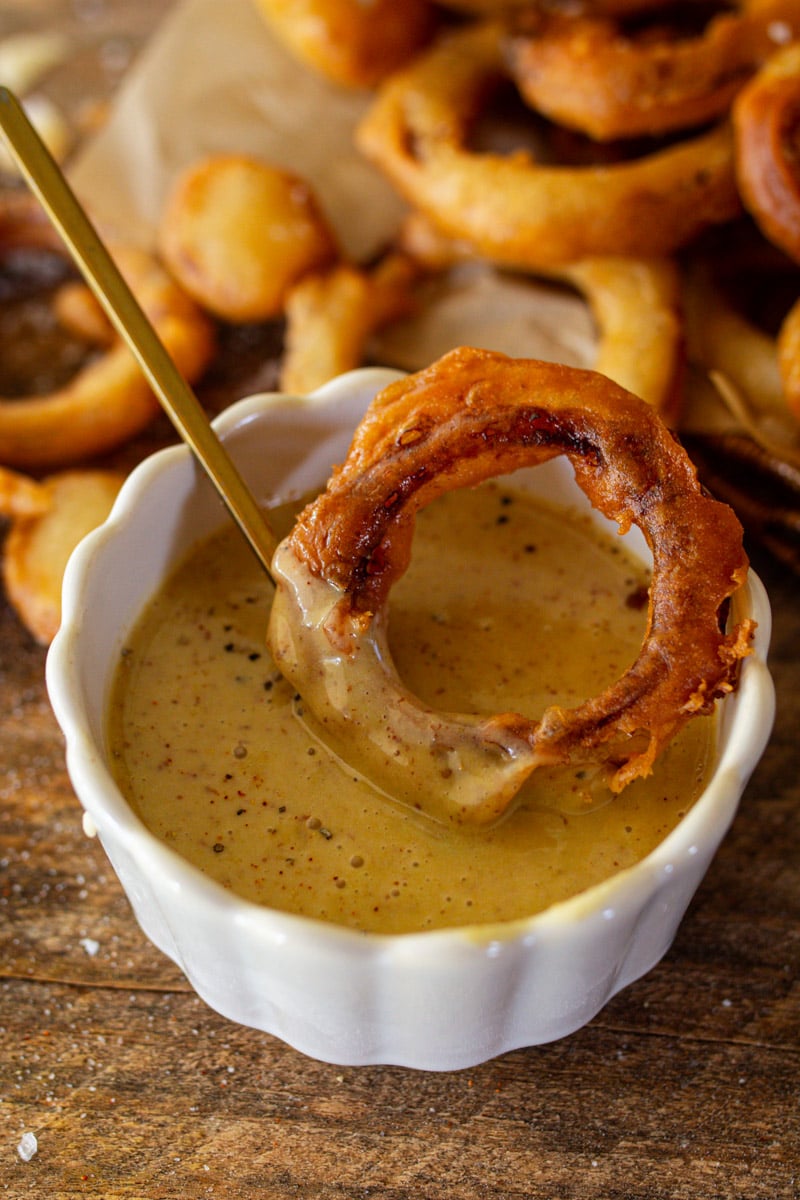
This recipe fits right in with so many of the from-scratch favorites I've shared here and pairs perfectly with a few of our go-to summer sides. These brioche buns are especially good with my homemade pea salad, deep fried sourdough discard onion rings, and homemade tartar sauce, which ends up getting dipped into just about everything on the plate.
A Quick Look at This Brioche Buns Recipe
✨ Soft, rich, and buttery with a golden bakery-style finish
🥚 Made with eggs, butter, and milk for a true enriched dough
🍞 Yields about 14-16 standard buns (perfect for freezing extras)
🔥 Ideal for burgers, sandwiches, and summer grilling
⏱️ Hands-on time is short, but rise time builds flavor and texture
🧈 Dough comes together best with a stand mixer or extra time by hand
❄️ Freezer-friendly-make ahead for busy nights or gatherings
Why Use Brioche Instead of a Regular Bun?
Regular hamburger buns have always felt a little bland to me, almost like an afterthought to the meal itself. For years I made bunless hamburgers because I didn't want to waste the calories on something that didn't add much flavor. But brioche brings so much more to the table than a standard white bun. The added eggs and butter give it a richer taste, a softer bite, and that golden finish you don't get from basic bread. It also holds up well to juicy burgers and sauces without falling apart, while still staying tender. For a lot of people, it turns a simple burger into something that feels a little more special without changing the meal itself.
Ingredients
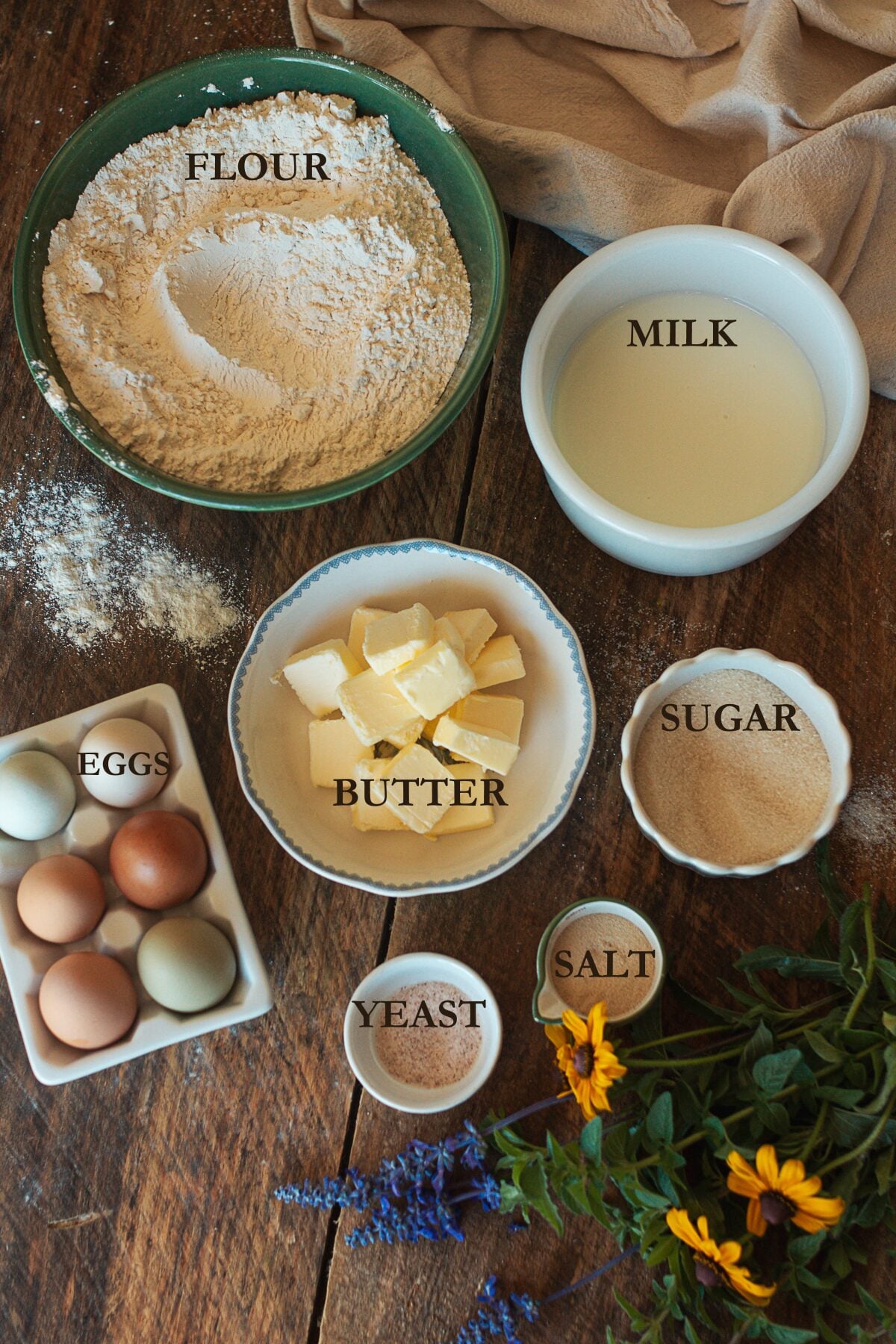
- All-purpose flour - Keeps the dough soft and tender while still giving enough structure when properly kneaded
- Active dry yeast - Provides lift and creates that light, airy interior
- Granulated sugar - Lightly sweetens the dough and helps activate the yeast
- Salt - Balances the richness and enhances overall flavor
- Eggs - Act as the main liquid, adding structure, color, and that classic brioche richness
- Whole milk - Softens the dough and adds a subtle creaminess without making it too loose
- Butter - The key to brioche, creating a rich flavor and soft, tender crumb
Instructions
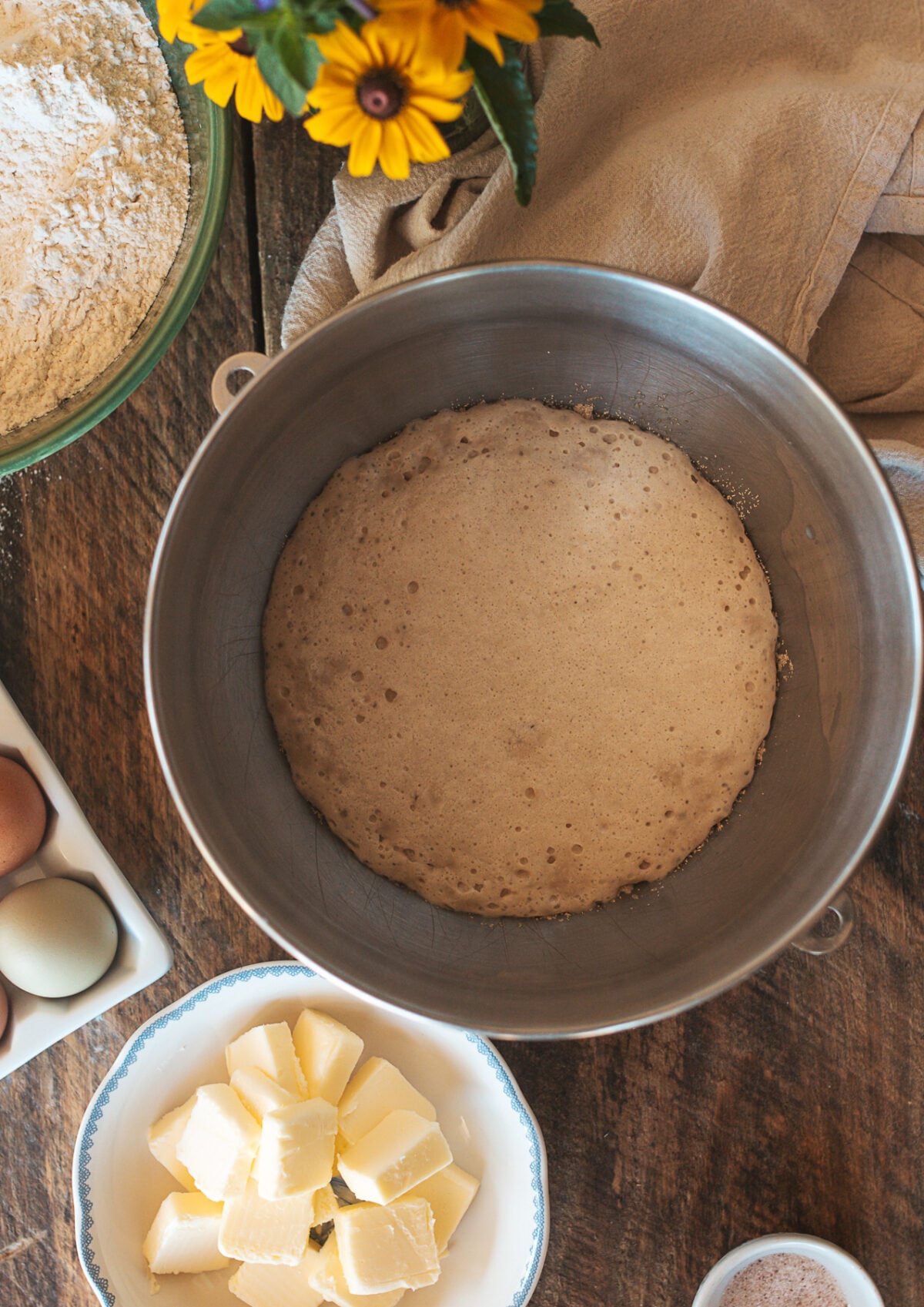
Bloom the Yeast: In the bowl of a stand mixer, combine the warm milk, sugar, and yeast.
Let sit for 5-10 minutes, until the mixture becomes foamy and bubbly on top. This helps ensure the yeast is active before adding the remaining ingredients.
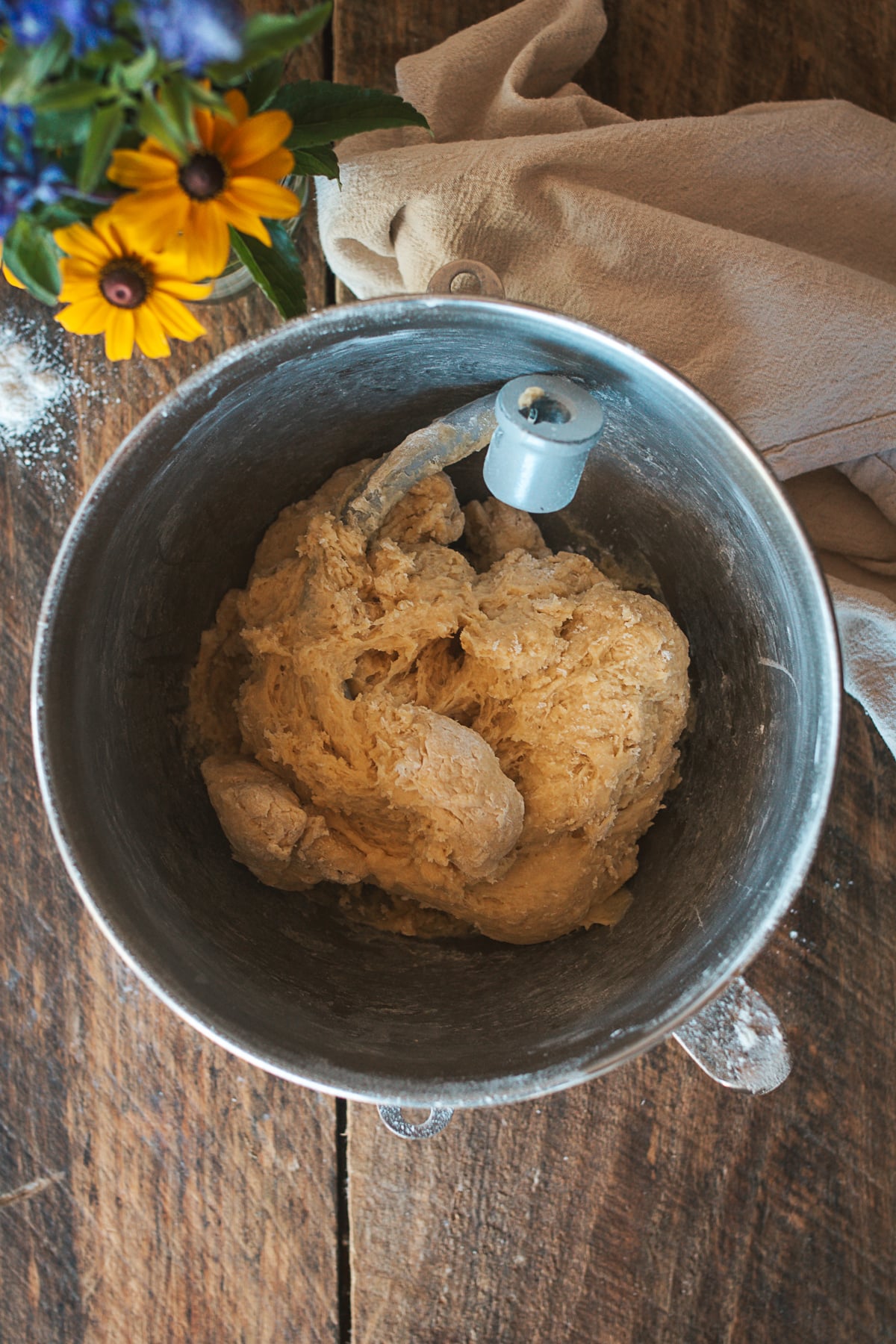
Build the Dough: Add the eggs and salt to the yeast mixture and mix briefly to combine. With the mixer running on low speed, begin adding the flour gradually, about 1 cup at a time, allowing each addition to incorporate before adding more.
Start with 6 cups of flour at this stage, even though the full recipe may use up to 7 cups total. The dough will look shaggy and somewhat rough before the butter is added, and that is completely normal for brioche dough. It should gather around the dough hook in one mass, but it will not look smooth yet.
After the butter has been fully incorporated and the dough has kneaded for the full allotted time, check the texture. If the dough is still excessively sticky and not pulling away from the sides of the bowl, add the remaining flour a little at a time until the dough becomes smooth, elastic, and begins clearing the sides of the mixer bowl.
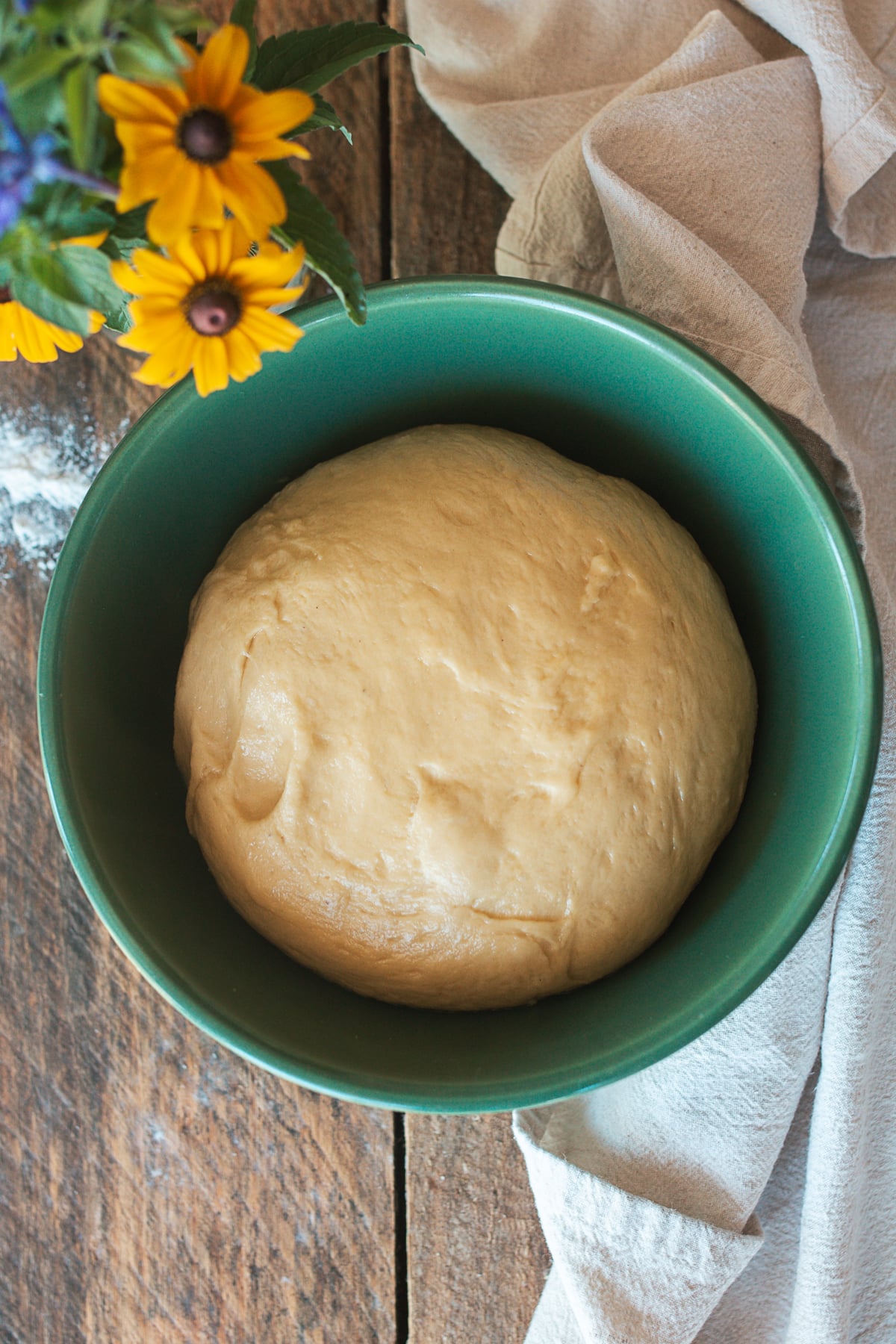
Add the Butter & Let the Dough Rise: With the mixer running on low speed, begin adding the softened butter a few chunks at a time, waiting several seconds between additions as the dough continues mixing. The butter does not need to be fully incorporated before adding the next few pieces.
Once all the butter has been added, continue kneading until the dough transforms from rough and shaggy to smooth, soft, and stretchy. This step takes patience. For several minutes, the dough may look greasy, separated, or overly sticky before it finally comes together into a cohesive dough.
If the dough still is not pulling away from the sides of the bowl after kneading, add additional flour a tablespoon or two at a time until it becomes smooth and elastic. Depending on humidity, flour brand, and egg size, you may need up to the full 7 cups of flour listed in the recipe.
Transfer the dough to a lightly greased bowl, cover, and let rise in a warm spot for about 1 hour, or until noticeably puffed and nearly doubled in size. Because brioche is a rich dough with butter and eggs, rise time can vary depending on the temperature of your kitchen.
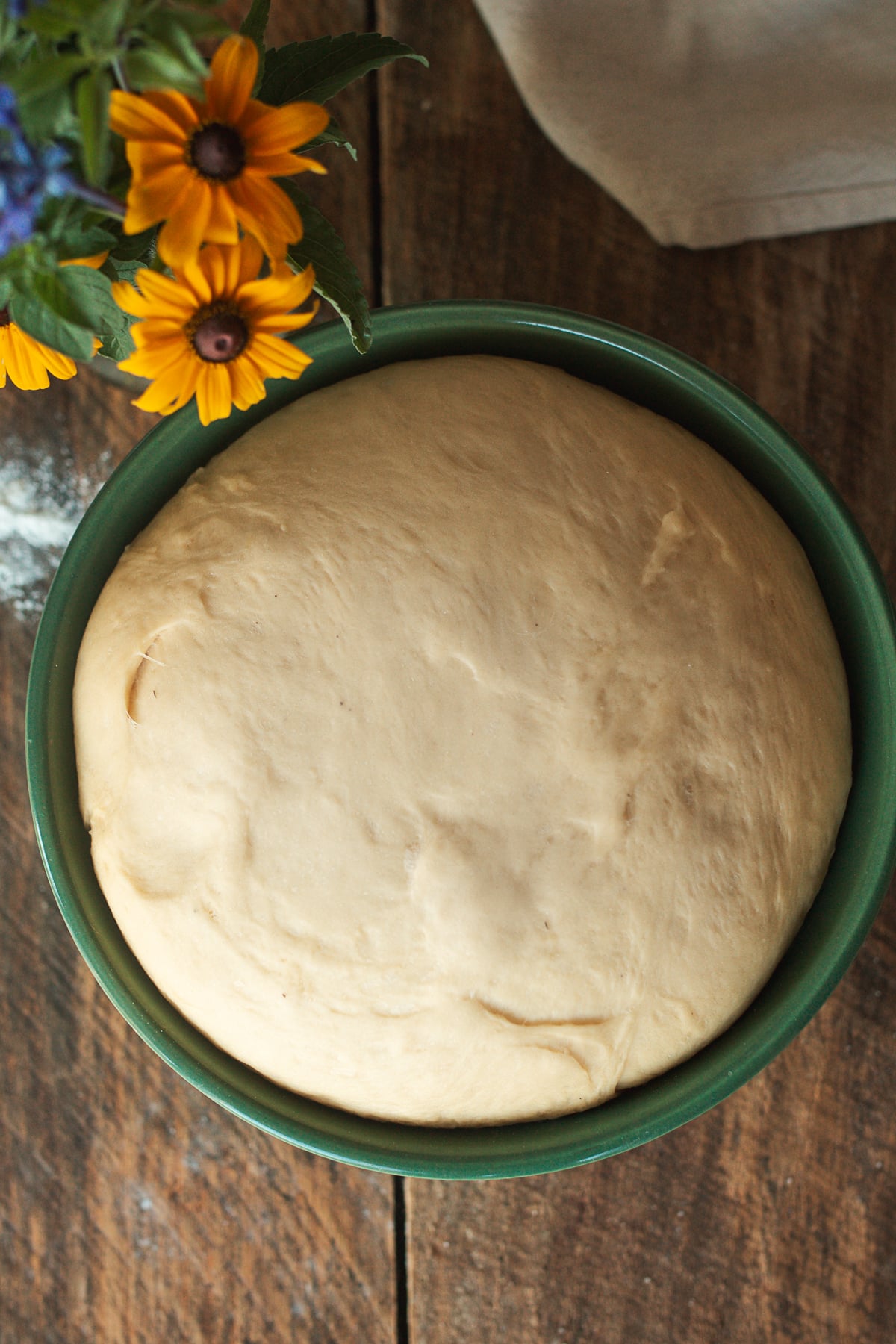
Prepare the Buns: Line a large baking sheet with parchment paper and set aside. Turn the risen dough out onto a lightly floured surface and divide into equal portions, depending on how large you want your buns.
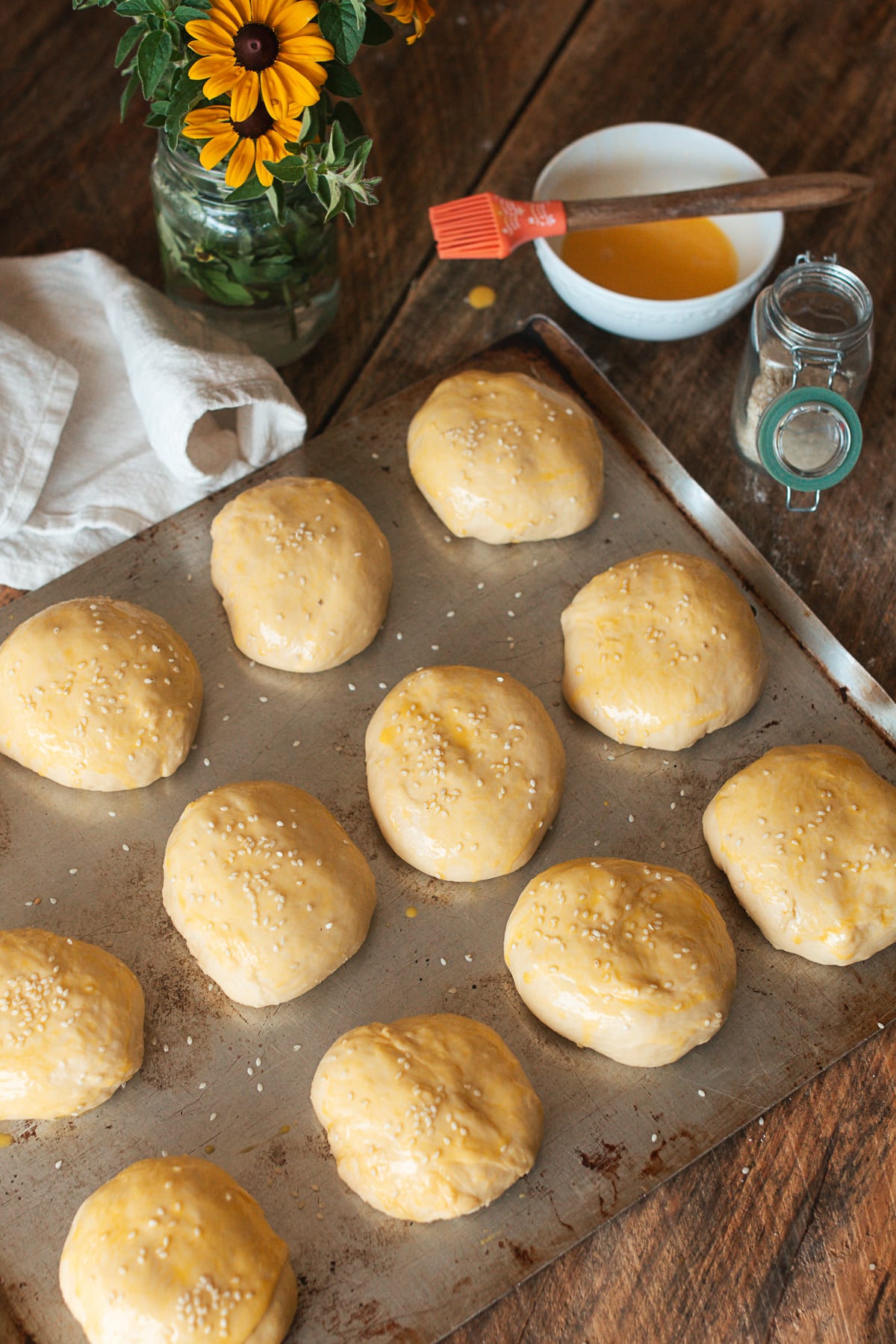
For standard burger buns: I like to weigh the dough portions so they bake evenly. Shape each piece into a smooth ball by pulling the dough underneath itself to create tension across the top. Arrange the buns on the prepared baking sheet, leaving space between each one for rising. Cover lightly and let rise again for 30-45 minutes, or until puffy and noticeably expanded before baking.
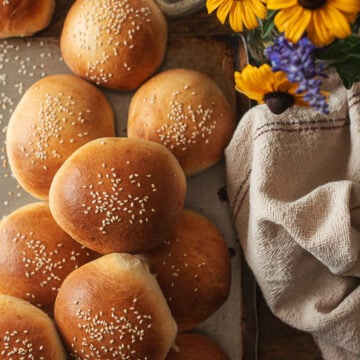
Before baking, whisk together the egg and milk for the egg wash, then gently brush the tops of the buns. Sprinkle with sesame seeds or your favorite toppings before transferring to the oven.
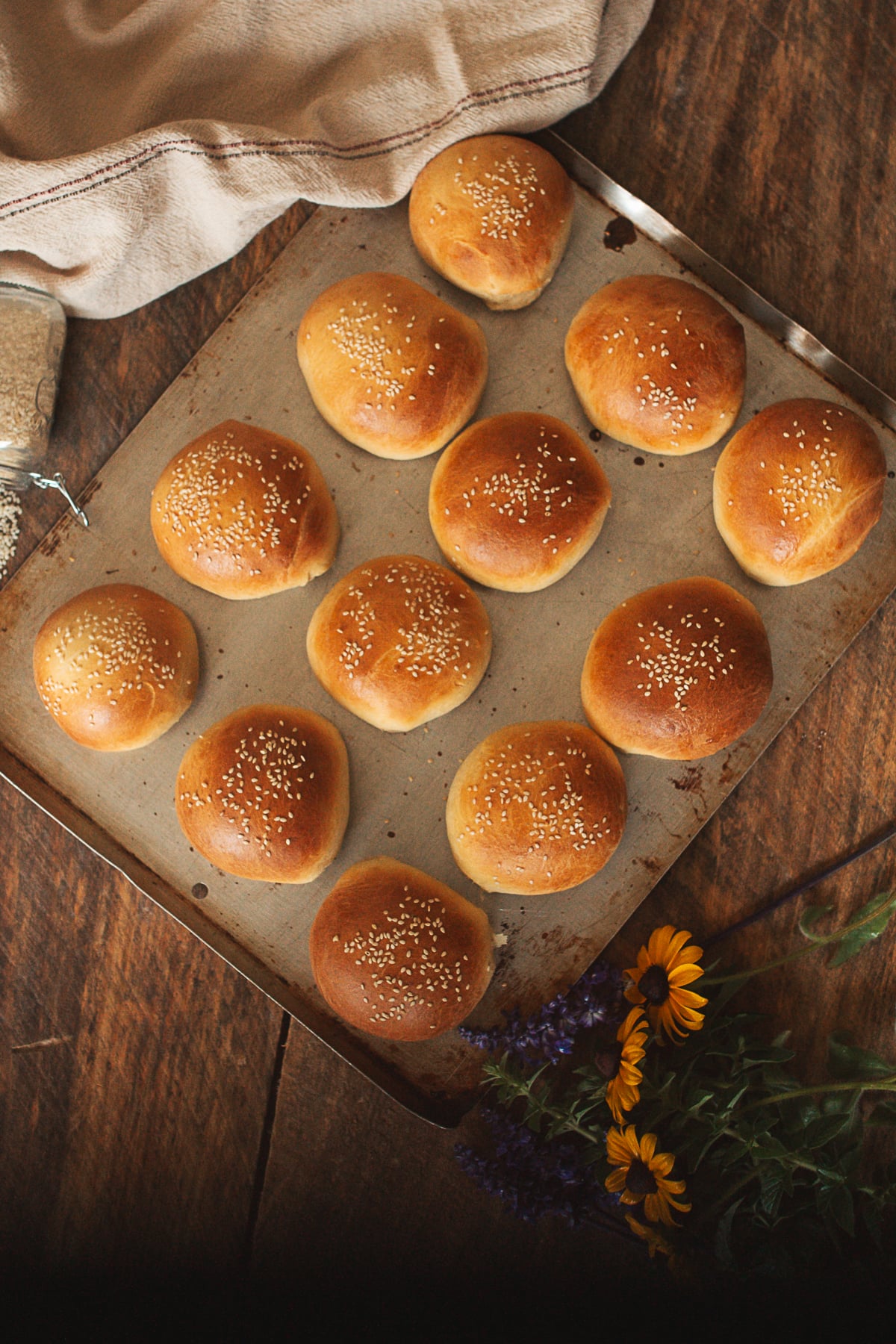
Bake & Cool: Bake the brioche buns at 350°F for 14-18 minutes, or until deeply golden brown on top. The buns should feel light for their size and sound slightly hollow when tapped on the bottom.
Let the buns cool completely before slicing. Because this is a rich dough, the interior continues setting as it cools. Cutting into them too early can make the centers appear slightly doughy, even when fully baked.
Store cooled buns in an airtight container or zip-top bag at room temperature for 3-5 days, or freeze for longer storage.
Tip: Brioche dough can look overly sticky or messy while the butter is being mixed in, but don't panic and dump in too much flour too quickly. Give the mixer time to knead the dough fully before deciding if more flour is needed. Once properly mixed, the dough should become smooth, elastic, and soft to the touch.
Substitutions
Here are a few simple swaps that still give you a good result.
- Flour - Bread flour can be used for a slightly chewier bun with more structure
- Milk - 2% milk will work, but whole milk gives the best richness and soft texture
- Yeast - Instant yeast can be used in the same amount and mixed directly into the flour
- Eggs - I don't recommend substituting here, as eggs are key to the structure and richness of brioche
Variations for Bun Toppers
Here are a few simple options for bun toppers to help you change the flavor and finish based on what you're serving or what you have on hand.
- Classic - Leave the tops plain for a soft, traditional brioche bun.
- Sesame - Sprinkle sesame seeds over the egg wash for a subtle crunch and classic burger bun look.
- Everything Bagel Seasoning - Add for a savory, flavorful twist.
- Poppy Seed - Lightly sprinkle poppy seeds for a simple, bakery-style finish.
- Flaky Salt - A pinch of chunky salt adds contrast and enhances the buttery flavor.
- Dried Onion - Sprinkle dried onion pieces on top for extra texture and a hint of sweetness once baked.
Equipment
The equipment you use can make slight differences in how your brioche buns turn out. Especially with a rich dough like this.
- Stand mixer (with dough hook) - The easiest way to properly develop the dough and incorporate the butter smoothly. You can activate the yeast right in the bowl, then add the remaining ingredients.
- Mixing by hand - This dough can absolutely be made without a mixer. Use a large mixing bowl for combining and rising, and plan for a longer kneading time. It will feel sticky at first, keep working it until it becomes smooth and elastic.
- Bench scraper - Helpful for handling this soft dough and dividing it evenly without adding too much extra flour.
- Baking sheet - A standard metal sheet pan works best for even baking and browning.
- Parchment paper - Keeps the buns from sticking and helps the bottoms bake evenly.
- Pastry brush - Used for the egg wash, giving the buns their golden, glossy finish.
If you're using a darker baking sheet, keep an eye on the bottoms, as they may brown more quickly.
Storage
Store the cooled brioche buns in a gallon zip-top bag or airtight container at room temperature for 3-5 days. For longer storage, refrigerate for up to 2 weeks, though the texture may firm up slightly. These buns also freeze well. I like to slice them first, before freezing. Place them in freezer-safe bags and freeze for up to 2 months. Thaw at room temperature or warm gently before serving for the best texture.
Top Tip
If your brioche buns are baked just right but you slice into them while they're still warm, the inside can look slightly doughy or underbaked. This is normal for enriched doughs like brioche. The butter, eggs, and steam inside the bread haven't fully set yet, so the crumb hasn't finished stabilizing.
Let the buns cool before cutting into them, and you'll see the texture firm up into that soft, tender, pull-apart crumb you're looking for
FAQ
Brioche is a rich, high-butter dough, so it naturally feels softer and stickier than standard bread dough. It will firm up as you knead and even more after chilling. Avoid adding too much extra flour, or the buns can turn dense.
You can, but it takes more time and effort. Knead until the dough becomes smooth and elastic, even if it starts out sticky. A bench scraper helps a lot when working by hand.
They should be deeply golden on top and feel light for their size. If you're unsure, you can check that the internal temperature is around 190-200°F.
Related Recipes Or Pairs Well With Hamburgers
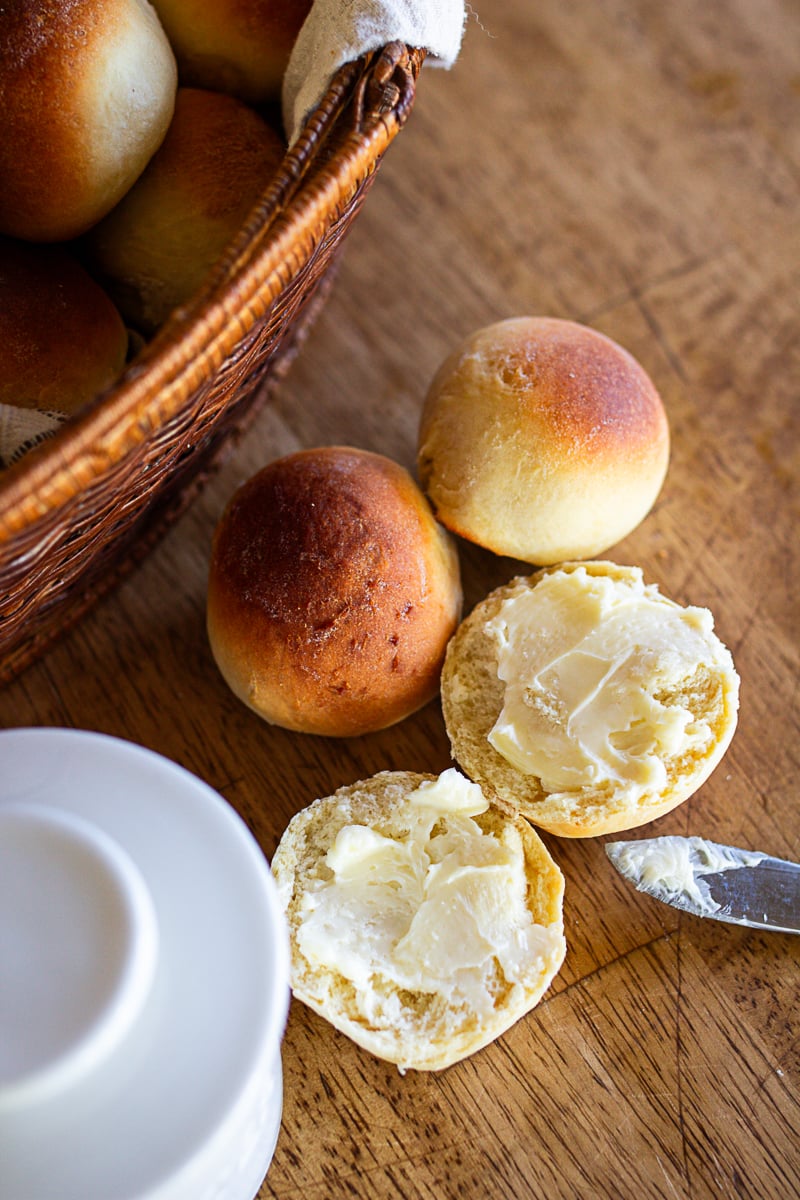
Looking for other recipes like this or that pair well with the buns? Try these:

Brioche Buns Recipe (Authentic & Buttery)
Ingredients
- 1 cup whole milk heated to about 110°F
- ½ cup granulated sugar
- 1 tablespoon + 2 teaspoons active dry yeast
- 6 eggs large
- 1 ½ teaspoons salt
- 6 -7 all-purpose flour start with 6, add more as needed
- 14 tablespoon salted butter, softened
Egg Wash
- 1 large egg
- ¼ cup milk
Instructions
- Activate the yeast: In the bowl of a stand mixer (or a large mixing bowl), combine the warm milk and sugar. Sprinkle the yeast over the top and let sit for 5-10 minutes until foamy.
- Add eggs and dry ingredients: Add the eggs, salt, and 6 cups of flour. Mix on low speed until a rough dough forms. If the dough is extremely sticky and not coming together, add additional flour 1 tablespoon at a time until it forms a soft dough.
- Knead the dough: Increase to medium-low speed and knead for 5-8 minutes, until the dough begins to smooth out and develop structure.
- Add the butter slowly: With the mixer running on medium speed, add the softened butter in small chunks every few seconds as the dough continues mixing.
- The dough will look messy and greasy at first. Keep going. It will come together.
- Knead until fully developed: Once all the butter is added, increase speed slightly and continue kneading for another 8-12 minutes, until the dough is: smooth, elastic, slightly, tacky, pulling from the sides of the bowl.
- First rise: Transfer the dough to a lightly greased bowl, cover, and let rise in a warm place for 1 hour, or until puffy (not necessarily doubled).
- Shape the dough: Turn the dough onto a lightly floured surface and divide into equal portions (depending on size, 12-16 buns works well for this batch). Shape each portion into a smooth ball, then gently press down on the tops to flatten and widen them slightly before placing onto a parchment-lined baking sheet. Since these are hamburger buns and not dinner rolls, flattening them helps create a broader bun that better fits burgers once risen and baked.
- Second rise: Cover loosely and let rise for 30 minutes, until very soft and puffy.
- Preheat oven to 350°F:
- Egg wash: Before baking, whisk together the egg and milk for the egg wash, then gently brush the tops of the buns. Sprinkle with sesame seeds or your favorite toppings before transferring to the oven.
- Bake for 14-18 minutes, until deeply golden brown.
- Cool: Let cool before slicing. The interior will continue to set as it cools.




These brioche buns have completely replaced store-bought buns in our home. They’re rich, buttery, soft, and hold up beautifully to burgers without falling apart. The dough takes a little patience, but the texture and flavor are absolutely worth it. I keep extra in the freezer all summer long for quick cookouts and easy dinners. - Eryn 🙂