Homemade Apple Cider Vinegar Recipe Made From Apple Scraps
Apple Cider Vinegar: A Simple Guide to Making Your Own
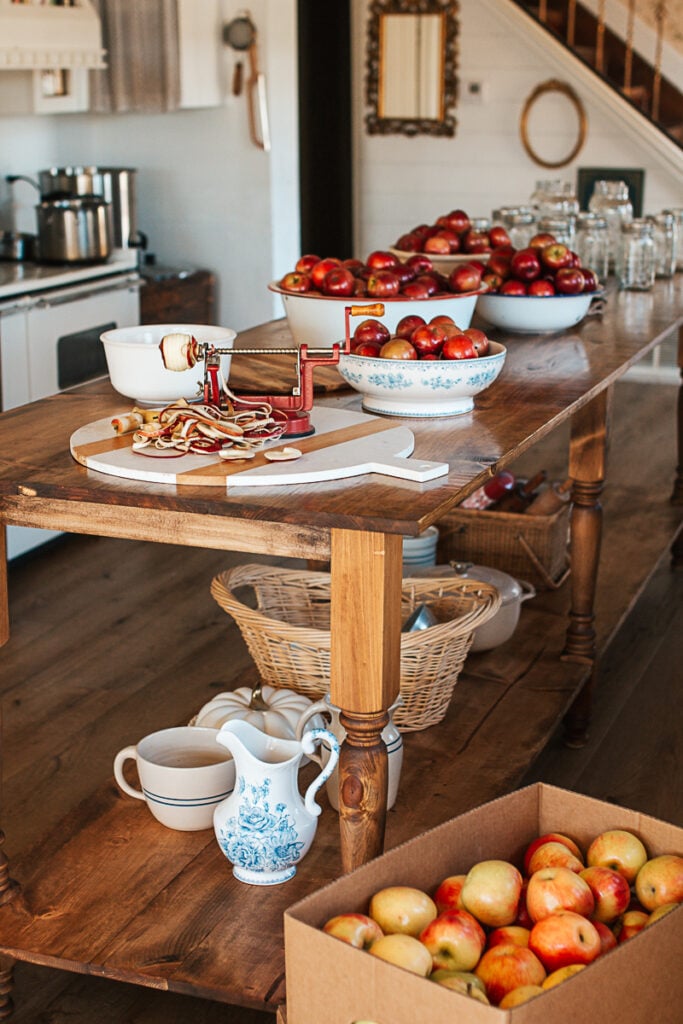
Don't toss those apple peels and cores! With just a little water and sugar, you can turn kitchen food scraps into rich, living apple cider vinegar right on your counter. Homemade vinegar tastes remarkably smooth, tangy, and fresh. It adds incredible depth to everyday cooking and serves as the delicious base for my Homemade Mayo.
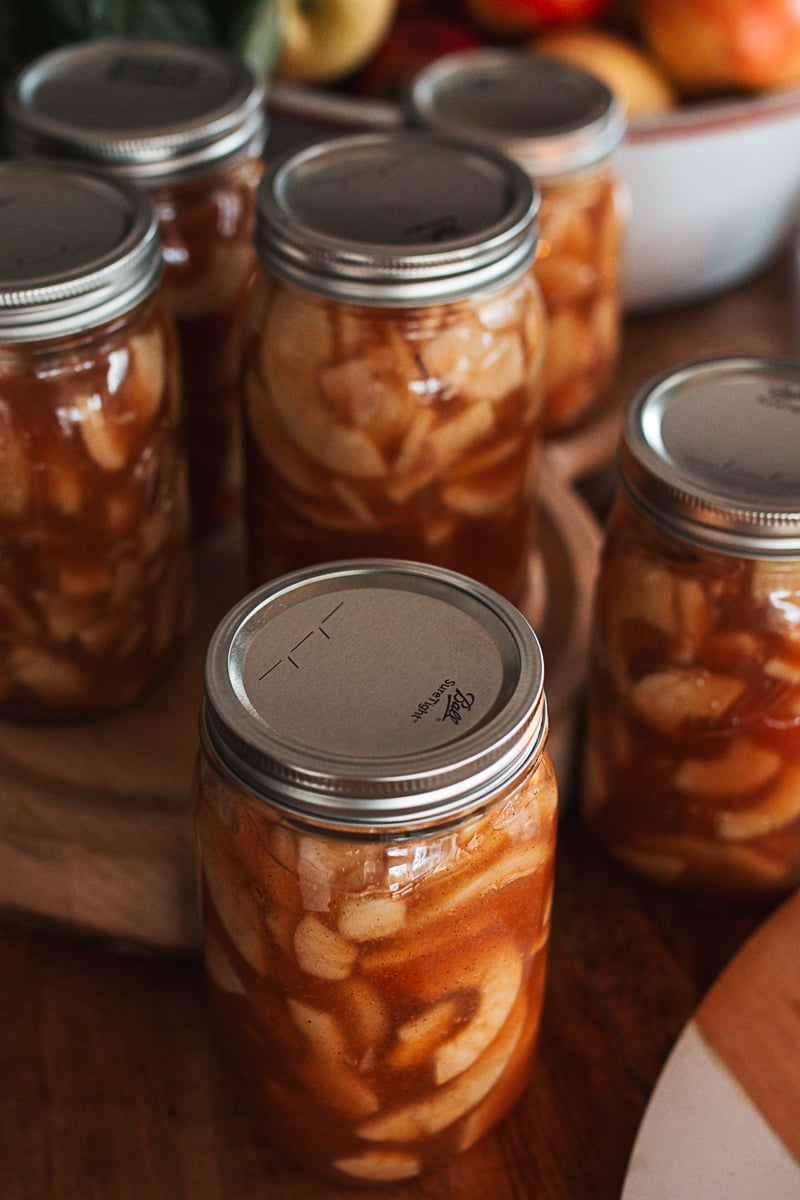
Fermenting apple scraps is one of the easiest beginner kitchen projects on the homestead. If you love preserving autumn fruit harvests, try my Canned Apple Pie Filling or learn how to grow your own fruit with my guide on Planting Apple Trees.
Quick View Of This Recipe
⏱️ Active Time: 15 Minutes
⏳ Ferment Time: 6 to 8 Weeks (Stage 1: 2-3 weeks, Stage 2: 3-4 weeks)
🫙 Yield: 3 to 4 Quarts (Using 2 Half-Gallon Mason Jars)
✨ The Vibe: Crisp, tangy, and rewarding homestead zero-waste preservation
🌾 Homestead Utility: Turns free canning scraps into pantry vinegar
🧪 Key Equipment: Glass half-gallon jars, cloth cover, fermentation weights
📦 Shelf Life: Indefinite when stored in a cool, dark pantry
SUMMARIZE & SAVE THIS CONTENT ON
Jump to:
- Apple Cider Vinegar: A Simple Guide to Making Your Own
- Quick View Of This Recipe
- Why You'll Love Making Scrap Vinegar
- Ingredients & Equipment
- Step-by-Step Instructions
- Storage & Pantry Care
- Understanding the "Mother" vs. Mold & Kahm Yeast
- FAQ: Apple Cider Vinegar Questions
- Final Thoughts From The Homestead
- You May Also Like:
- Apple Cider Vinegar
Why You'll Love Making Scrap Vinegar
- Zero-Waste Kitchen Solution: Transforms organic peels and cores from apple pie baking into functional food.
- Cost-Effective Pantry Staple: Requires only fruit scraps, water, and a touch of sugar to feed natural wild yeasts.
- Living Probiotic Quality: Retains wild acetic acid bacteria and the raw "mother" for rich, complex flavor.
- Beginner-Friendly Ferment: Uses simple kitchen tools without specialized commercial starter cultures.
Ingredients & Equipment
Key Ingredients & Why They Matter
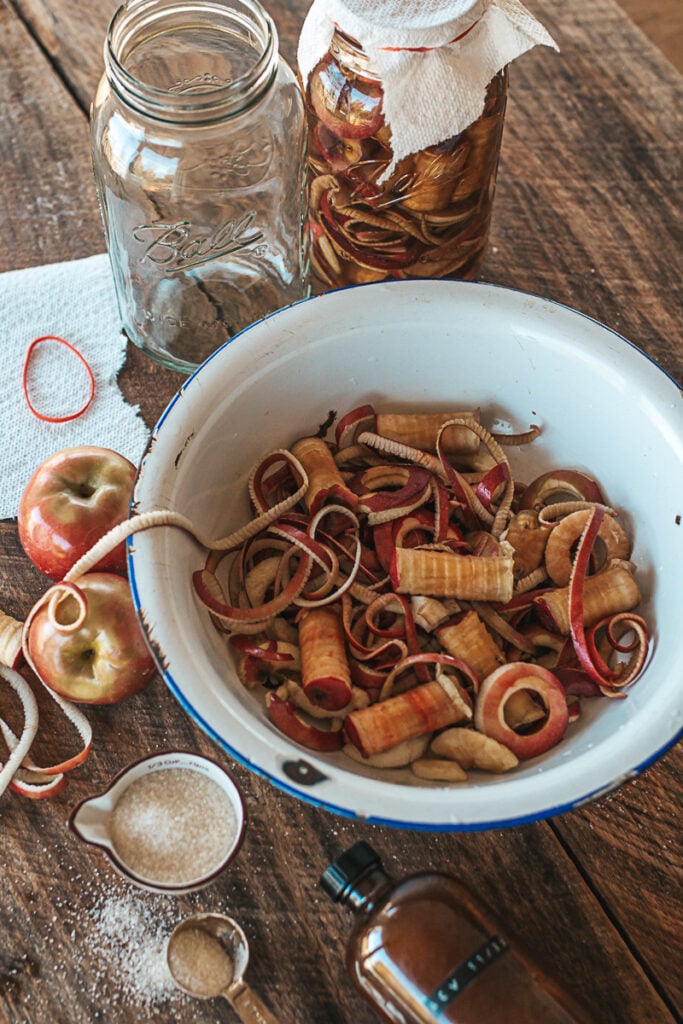
- Organic Apple Scraps: Peels, cores, and fruit trimmings provide natural wild yeasts and sugars. Choose organic apples to avoid synthetic pesticide residues that inhibit fermentation.
- Filtered Water: Chlorine in city tap water can kill beneficial yeast and bacteria. Always use filtered or well water.
- Cane Sugar or Raw Honey: Feeds wild yeasts during the initial alcohol phase. The sugar is consumed by bacteria and does not remain in the final vinegar.
- Raw Unfiltered ACV (Optional): Adding a splash of previous raw vinegar introduces active acetic acid bacteria to jumpstart fermentation.
Essential Equipment
- Half-Gallon Glass Mason Jars: Non-reactive glass containers allow light monitoring without chemical leaching. Never ferment vinegar in metal containers.
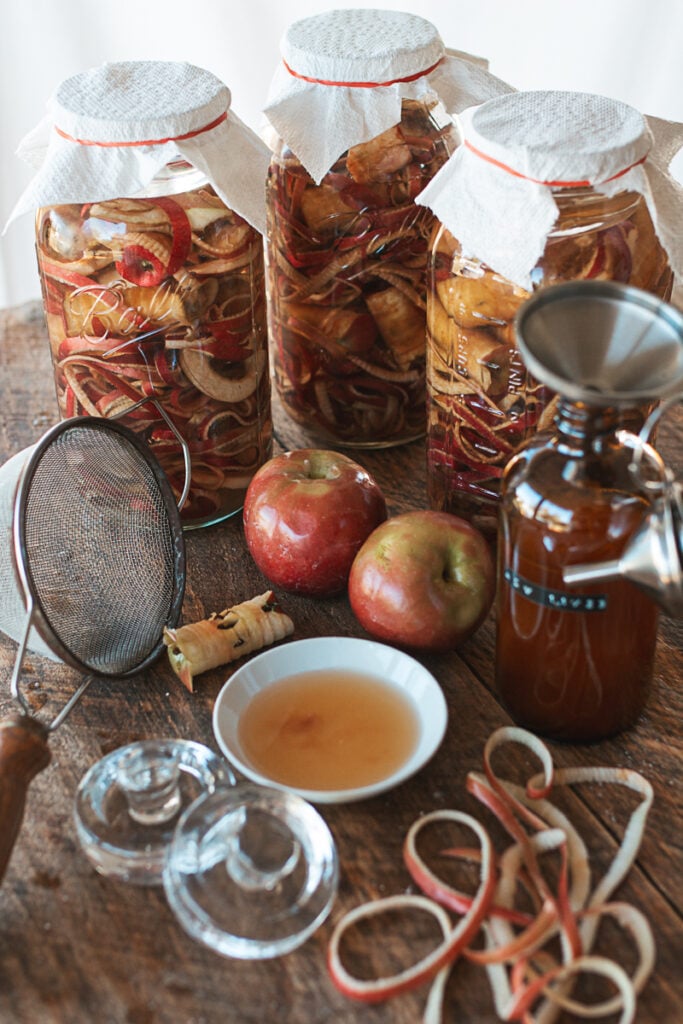
- Breathable Cloth Cover: Coffee filters, butter muslin, or tight-weave tea towels secured with rubber bands allow oxygen flow while blocking fruit flies.
- Non-Reactive Stirring Tool: Use wooden, silicone, or plastic spoons. Avoid metal spoons, which react with acidic liquids.
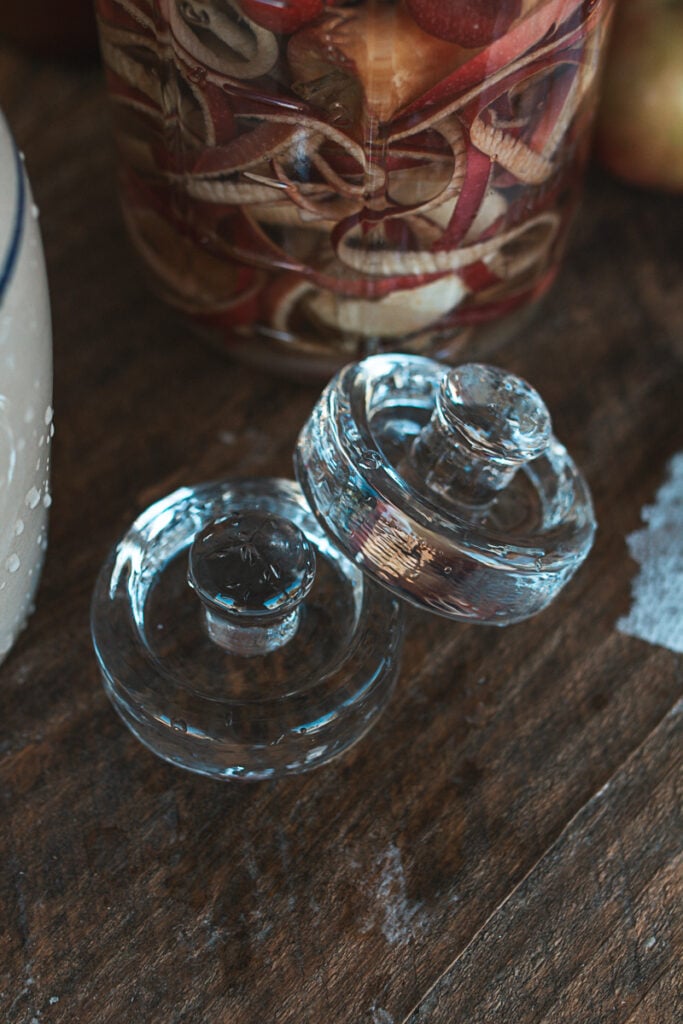
- Fermentation Weights: Keeps floating apple scraps submerged below liquid to prevent surface mold.
Step-by-Step Instructions
Step 1: Sanitize and Fill Jars
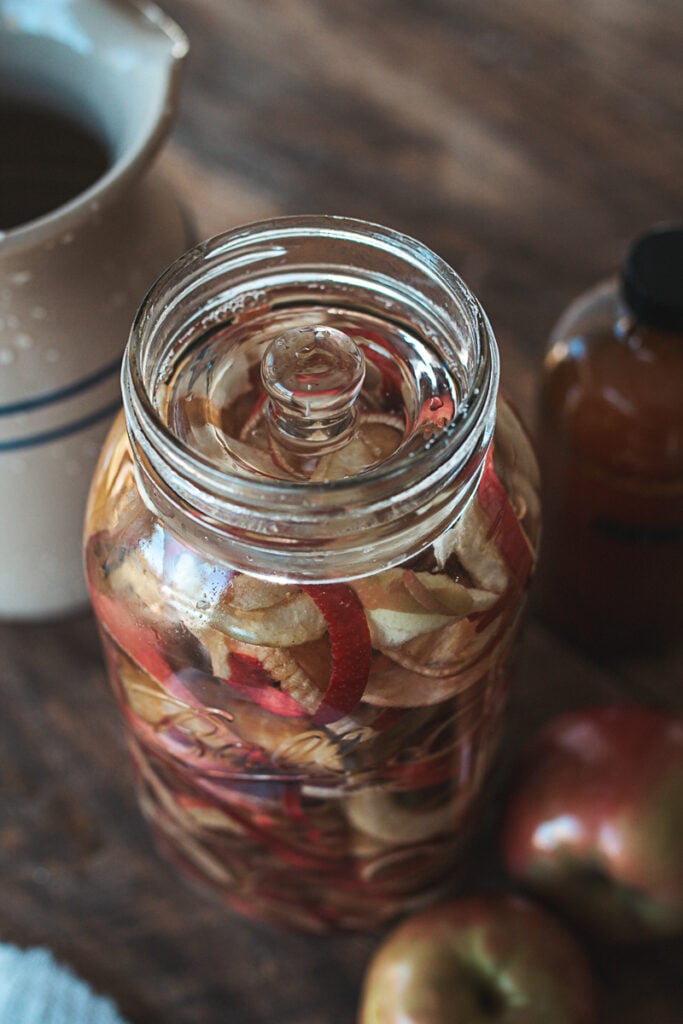
Wash half-gallon glass mason jars thoroughly in hot, soapy water. Fill clean jars half to three-quarters full with fresh, clean apple peels and cores.
Step 2: Prepare Sugar Water Solution
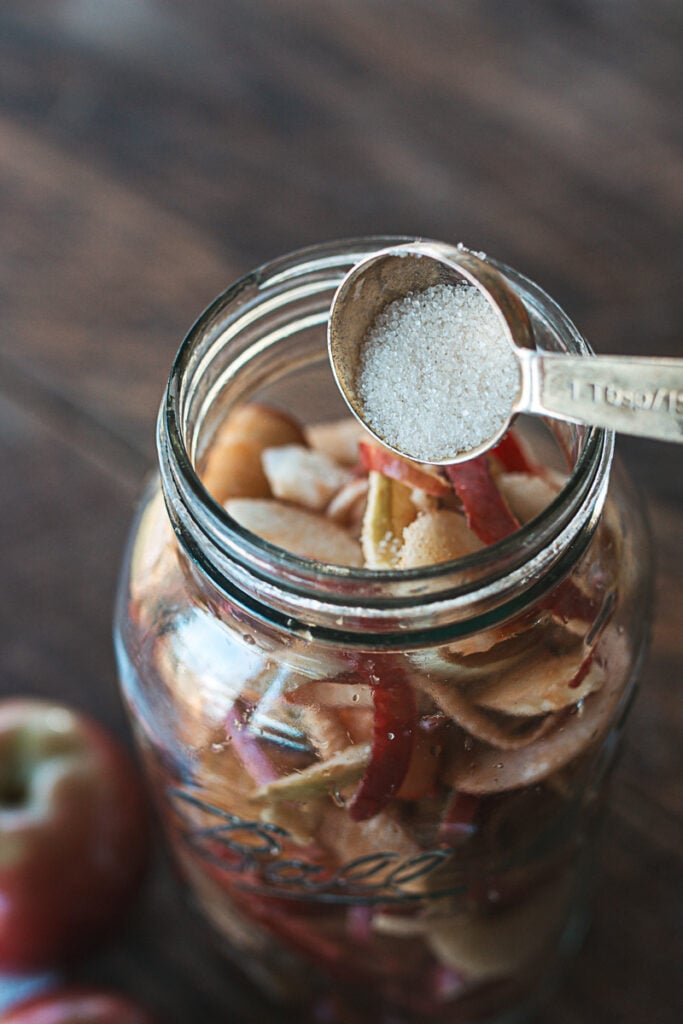
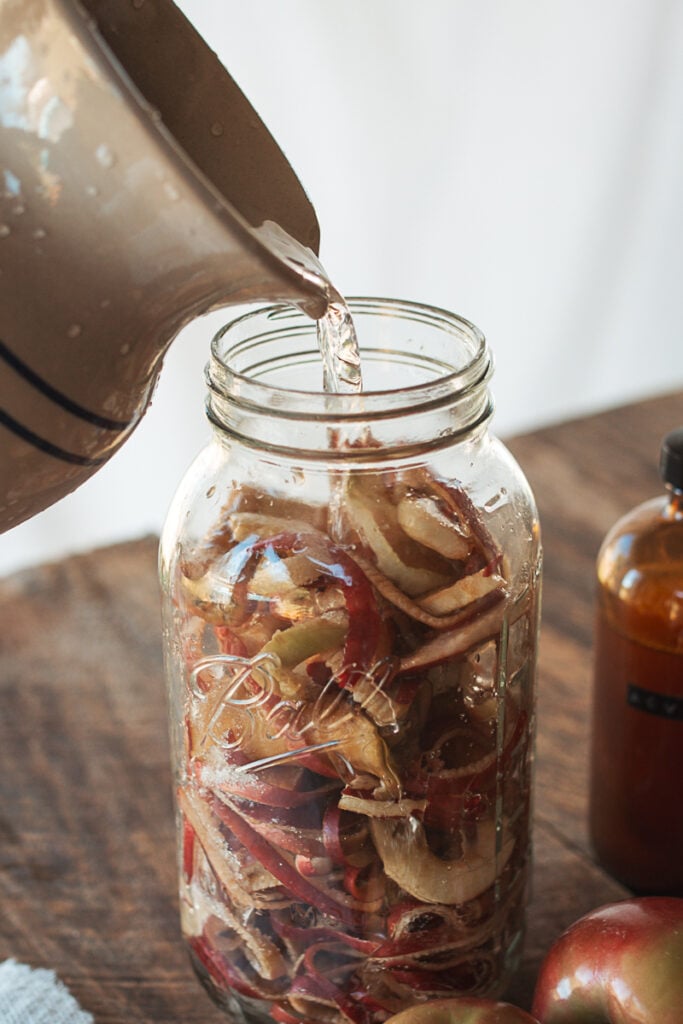
Pour sugar into each jar, then add water over apple scraps until fruit is completely submerged by at least one inch of liquid. Add a splash of raw ACV starter if using.
Step 3: Submerge Fruit and Cover
Place glass fermentation weights on top of apple scraps to keep them submerged. Cover jar top with a breathable cloth filter and secure tightly with a rubber band or jar ring.
Step 4: First Fermentation (Wild Alcohol Phase)
Place jar in a dark spot kept at warm room temperature. Stir daily with a wooden spoon for two to three weeks. You will notice tiny bubbles, gentle fizzing, and a sweet, cider-like aroma.
Step 5: Strain Out Apple Solids
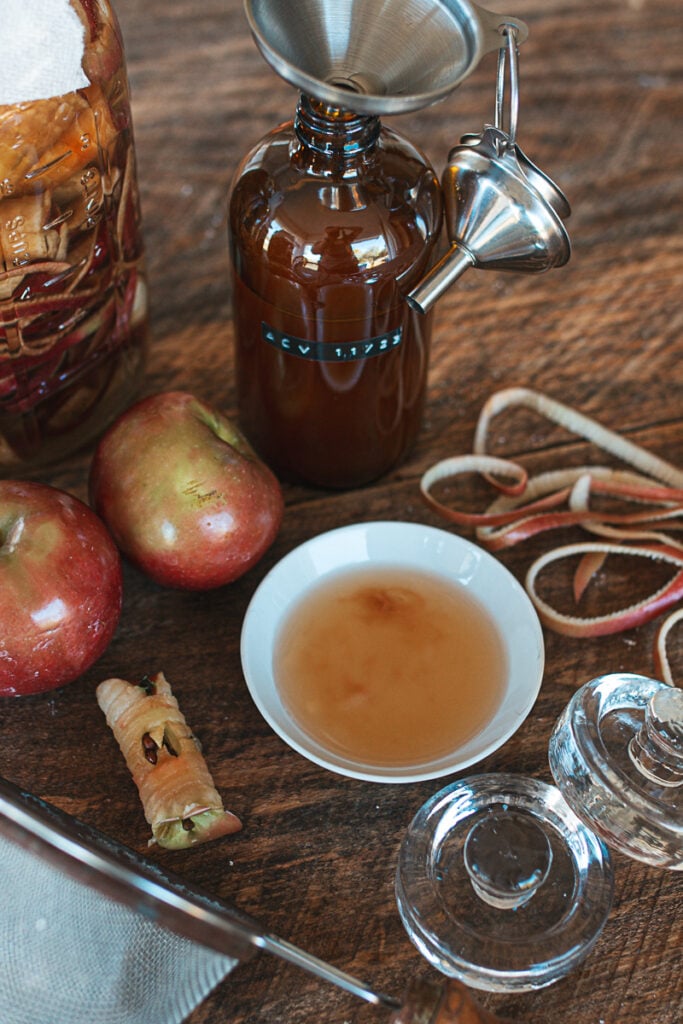
Once bubbling slows and apple scraps sink, strain liquid through a fine-mesh sieve lined with cheesecloth into a clean glass jar. Discard or compost spent apple scraps.

Step 6: Second Fermentation (Acetic Acid Phase)
Cover jar with breathable cloth and return to a dark cabinet for another three to four weeks. Do not stir during this phase. A cloudy, gel-like disc will form on top; this is the beneficial "mother of vinegar."
Step 7: Taste Test and Bottle
Taste vinegar after four weeks. Once liquid reaches a sharp, pleasant acidity, cap bottle tightly with a non-metallic lid and store in your pantry.

Storage & Pantry Care
- Long-Term Storage: Store finished vinegar in dark amber glass bottles or glass mason jars with plastic lids.
- Pantry Shelf Life: Pure homemade vinegar is self-preserving and lasts indefinitely at room temperature.
- Flavor Evolution: Vinegar continues to age and mellow over six months, developing a smooth, rounded acidity.
Understanding the "Mother" vs. Mold & Kahm Yeast
Knowing what is happening on top of your jar ensures a safe, successful ferment:
- The Mother of Vinegar (SAFE): A smooth, rubbery, jelly-like disc that floats on top or settles at the bottom. It consists of beneficial acetic acid bacteria.
- Kahm Yeast (SAFE): A thin, white, bubbly film on the surface. It is a harmless wild yeast. Skim it off with a clean spoon so it does not affect flavor.
- Fuzzy Mold (UNSAFE): Raised, fuzzy spots that appear green, black, white, or blue on floating fruit. If fuzzy mold appears, throw out the entire batch. Never attempt to skim mold off liquid ferments.
FAQ: Apple Cider Vinegar Questions
That cloudy layer is the "mother of vinegar." It is a healthy collection of beneficial acetic acid bacteria that transforms cider into vinegar.
Yes. Organic cane sugar, white sugar, brown sugar, or raw honey all work. Yeasts consume the sugar during initial fermentation.
Do not use homemade scrap vinegar for home canning recipes. Home canning requires a standardized 5% acidity level, which varies in home-fermented batches. Use homemade vinegar for dressings, marinades, and daily kitchen uses.
Final Thoughts From The Homestead
Turning simple apple peels into jars of golden vinegar is pure homestead magic. Seeing rows of glass jars aging quietly in the pantry brings deep satisfaction to farmstead life. Grab a basket of garden apples, save those scraps, and enjoy creating your own traditional pantry staples!
You May Also Like:
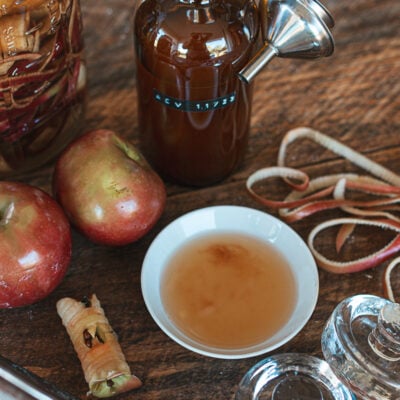
Apple Cider Vinegar
Ingredients
- 2 quarts Apple scraps (enough to fill ¾ of a half gallon mason jar) peels, cores, and any leftover apple pieces
- ½ gallon Filtered or tap water enough to cover the apple scraps
- 4 tablespoon of sugar per half gallon container
- 2 tablespoons of raw apple cider vinegar (optional, to kickstart fermentation)
Instructions
- Prepare Apple Scraps: Collect apple peels, cores, and leftover pieces. Remove any rotting parts. Place the apple scraps into a clean half gallon mason jar, filling it half to three quarters of the way to to top.
- Add Sugar and Water: Add 4 tablespoons of sugar into your clean half-gallon jar. Then pour in enough water to completely cover the apple scraps, leaving about an inch of headspace at the top. Stir gently to dissolve the sugar. If you have some on hand, add a couple of tablespoons of raw apple cider vinegar to help kickstart fermentation.
- Cover and Store: Cover the jar with a clean tea towel or butter muslin, and secure it with a jar ring or rubber band. Store the jar in a dark, warm spot (around 70°F), away from direct sunlight. Let the mixture ferment for 2-3 weeks, stirring daily.
- Strain and Ferment Further: After 2-3 weeks, strain out the solids, keeping the liquid. Return the liquid to the jar and cover again. Let it ferment for another 3-4 weeks. Taste periodically to check the acidity level until it's to your liking.
- Store and Enjoy: Once you're happy with the flavor, pour your homemade apple cider vinegar into jars with tight-fitting lids and store it in a cool, dry place. The vinegar will continue to develop in flavor over time.
Notes
If you’re not seeing bubbles or activity, don’t worry. The process can slow down based on the temperature.
You can add herbs like rosemary or thyme for extra flavor.


When the process is done, do you pour the mother into the jars too? Or maybe do something different with it?
You’ll want to keep the mother in the jar. It’s the living culture that keeps the vinegar active and helps it continue to develop flavor and strength over time. It can also be reused to start a new batch later, or you can leave it in the jar and keep adding apple scraps as needed. 🙂
I've made this for years, my 2nd batch this year literally fizzled over after 3 days and is almost like jelly. What a mess! I understand it's like super mother but any clue how much longer I should keep it going or how to store this?
Isn't it so fun!? I'd let it ferment for at least a week, and then strain and place in amber jars and stored in a cool dark place until use! Enjoy! 🙂
It's a wonderful idea and great for health. Thanks for sharing this item.