Strawberry Plant Growth Stages In the Home Garden
Few garden moments match the thrill of plucking a warm, ripe strawberry right off the vine. Strawberries are a staple on our West Tennessee homestead. Whether we are eating fresh berries in the patch or canning jars of sweet jam, growing your own fruit brings pure joy.
Understanding strawberry plant growth stages helps you care for your patch year after year. Once you learn how plants develop from early roots to leafy runners, harvesting abundant berries becomes simple. And once you get a great harvest you an use them to can this traditional strawberry jam or my strawberry rhubarb crisp.

Quick View About Strawberries
⏱️ Time to Harvest: 4 to 6 weeks from spring bloom
🍓 Yield: 1 Quart per mature plant per season
✨ The Vibe: Sun-kissed, juicy berries picked straight from homestead soil
🌾 Homestead Special: Chemical-free growing on our 100-year farmhouse patch
☀️ Sun Requirement: Minimum 6 hours of direct sunlight daily
🪴 Best Zones: Zones 4 through 9 (Type dependent)
🥛 Eryn's Favorite Pairing: Fresh strawberry shortcake with raw farm cream
Jump to:
- Quick View About Strawberries
- Why Understanding Growth Stages Matters
- The 5 Main Strawberry Plant Growth Stages
- Choosing the Right Variety for Your Homestead
- Soil, Sunlight, and Organic Care
- Step-by-Step Instructions: Propagating Strawberry Runners
- FAQ On Growing Strawberries
- Final Thoughts From The Homestead
- You May Also Enjoy:
SUMMARIZE & SAVE THIS CONTENT ON
Why Understanding Growth Stages Matters
- Maximizes Berry Yield: Knowing when flowers form helps you prune properly to direct energy into big, sweet fruit.
- Simplifies Propagation: Recognizing healthy runners allows you to grow new plants for free each summer.
- Prevents Seasonal Diseases: Proper spacing during leaf growth stops common fungal issues like gray mold before harvest.
- Builds Perennial Patch Health: Guiding your plants through fall hardening guarantees strong root survival through cold winters.
The 5 Main Strawberry Plant Growth Stages
Stage 1: Early Spring Awakening & Root Growth
As soil temperatures rise in early spring, strawberry plants break winter dormancy. New green leaves emerge from the central crown. Strong root development during this early window feeds the upcoming summer crop. Keep soil moist and avoid burying the central crown under heavy soil.
Stage 2: Flowering & Pollination
In mid-to-late spring, white flowers with yellow centers appear. Bees and pollinators visit these blooms to fertilize the plant. Every healthy, pollinated flower petal turns into an individual strawberry. Pinch off first-year blooms on young plants to build stronger roots for future years.
Stage 3: Green Fruit Development to Red Ripening
Once pollinated, green berries form where flowers once bloomed. Over three to four weeks, berries swell and shift from pale green to white, pink, and deep glossy red. Water consistently during fruit set to prevent small, shriveled berries.
Stage 4: Runner Propagation (Daughter Plants)
In mid-summer, mother plants send out long horizontal stems called runners or stolons. These runners form tiny leafy clusters at their tips, creating daughter plants. Rooting these runners expands your patch naturally without buying new nursery starts.
Stage 5: Fall Hardening & Winter Dormancy
As daylight shortens and temperatures drop in late autumn, growth slows down. Strawberry plants store carbohydrates in their crowns to survive winter frost. Applying a protective clean straw mulch over plants in late fall shields crowns from heavy winter freezes.

Choosing the Right Variety for Your Homestead
June-Bearing Strawberries
June-bearing varieties produce one massive, concentrated harvest over two to three weeks in early summer. They yield large, sweet berries perfect for canning jams and freezing.
- Popular Choice: Chandler (Zones 4-8)
Everbearing Strawberries
Everbearing types yield two to three main harvests per season, usually in late spring and late summer. They work great for fresh snacking throughout the warmer months.
- Popular Choice: Seascape (Zones 4-9)
Day-Neutral Strawberries
Day-neutral plants produce fruit continuously from spring until the first winter frost as long as temperatures stay moderate. They are ideal for smaller garden beds and container planting.
- Popular Choice: Tristar (Zones 4-9)
Soil, Sunlight, and Organic Care
Sunlight & Soil Preferences
Strawberry plants thrive in full direct sunlight. Choose a garden spot that receives at least six hours of sun daily. Plant in rich, well-draining soil with a slightly acidic pH around 6.0 to 6.5. Mix organic compost into garden beds before planting to boost natural soil fertility.
Organic Weed & Heat Management
Keep weeds away from shallow strawberry roots by hand-pulling gently between plants. Mulch beds with natural straw or pine needles to retain moisture and cool soil. Avoid using black plastic sheeting in organic homestead beds, as it traps excessive heat and prevents healthy soil micro-life.
Step-by-Step Instructions: Propagating Strawberry Runners
Step 1: Identify Healthy Runners
Select strong, healthy runners extending from productive mother plants during mid-summer. Ensure leaves look vibrant and free from spots.
Step 2: Prepare Soil Spot
Clear weeds and loosen the soil directly beneath the runner's small leafy cluster.
Step 3: Secure the Runner
Gently press the base of the daughter plant cluster into firm contact with moist soil. Pin it down using a small landscape wire pin or smooth stone, keeping the crown above ground level.
Step 4: Water and Root
Water the pinned runner daily until independent roots form. Once rooted firmly in two to three weeks, snip the connecting stem from the mother plant.

FAQ On Growing Strawberries
Inconsistent watering and excessive summer heat cause small, sour berries. Keep soil consistently damp, and provide light afternoon shade during extreme heat waves.
Strawberry beds remain productive for three to four years. Replacing older mother plants with young rooted runners keeps your harvest yields high every season.
If you want larger fruit this season, trim runners off mother plants. If you want to expand your patch for next year, let runners root in place.
Final Thoughts From The Homestead
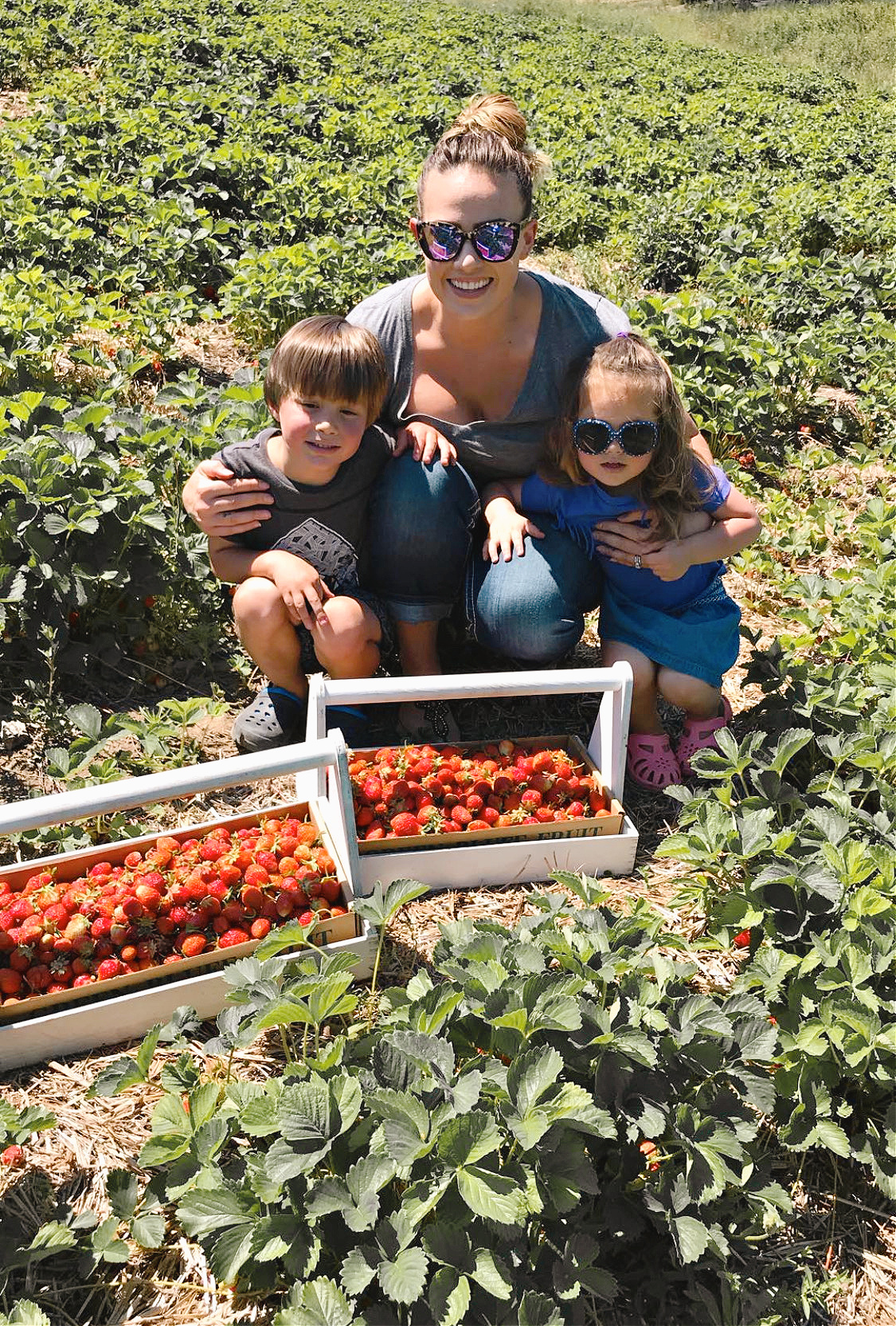
Walking out to the garden bed with my kids to pick fresh strawberries is one of our sweetest summer routines. Whether we are baking a fresh shortcake topped with raw cream or filling jars with homemade strawberry jam, these plants bring endless rewards to farmstead life. Grab your gardening gloves, step out into the sunshine, and enjoy every stage of your garden journey!