Top 8 Flowers to Plant For Stunning Dried Flower Arrangements
As I've spent more time in the garden and grown a little older alongside it, I've come to really love dried flowers. Choosing the best flowers to grow for dried flower arrangements in my cutting garden means the garden doesn't stop being useful once summer fades. You can cut, dry, and enjoy those blooms well into fall and winter, when everything outside feels quieter.
If you enjoy growing plants with purpose, dried flowers fit right in with learning how to grow your own spice rack, designing an English cottage garden, and choosing the best plants to grow for your kitchen garden so it actually gets used.
Quick Look: Growing Flowers for Drying
Best For: Fall + winter home decor, handmade gifts
Skill Level: Beginner-friendly
Time Investment: Plant once, harvest for months
Cost: Low (a few seed packets go a long way)
Drying Method: Hang drying (easy + dependable)
Best Season: Late summer harvest, winter display
Pro Tip: Harvest extras-some blooms will break or brown while drying
SUMMARIZE & SAVE THIS CONTENT ON
Jump to:
- Quick Look: Growing Flowers for Drying
- Why You'll Love Growing Flowers for Drying
- What Makes a Flower Good for Drying
- The Best Flowers to Grow for Dried Flower Arrangements
- Honorable Mentions: 5 More Flowers You Can Dry
- How to Dry Flowers at Home
- When to Harvest Flowers for Drying
- Things you might need:
- FAQ: Drying Flowers at Home
- Closing Thoughts from the Homestead
- Other Garden Posts To Check Out:
Why You'll Love Growing Flowers for Drying
Dried flowers are one of those "work once, enjoy for months" garden projects. You plant in early spring, harvest through summer, and then bring that beauty inside when everything outdoors goes quiet.
I also love that this kind of decor is personal. It's not perfect, not matchy-matchy, and it doesn't look like everyone else's cart. It looks like your garden-your colors, your season, your home.
What Makes a Flower Good for Drying
Not every flower dries well. The best flowers for drying tend to have:
- Lower moisture content (they won't rot or collapse)
- Sturdy blooms that keep their shape
- Strong stems that hold up in bundles and arrangements
- Good color retention (some fade more than others)
One more tip that saves frustration: dry more than you think you'll need. A few stems always break, and some blooms brown faster than expected.
The Best Flowers to Grow for Dried Flower Arrangements
1. Celosia
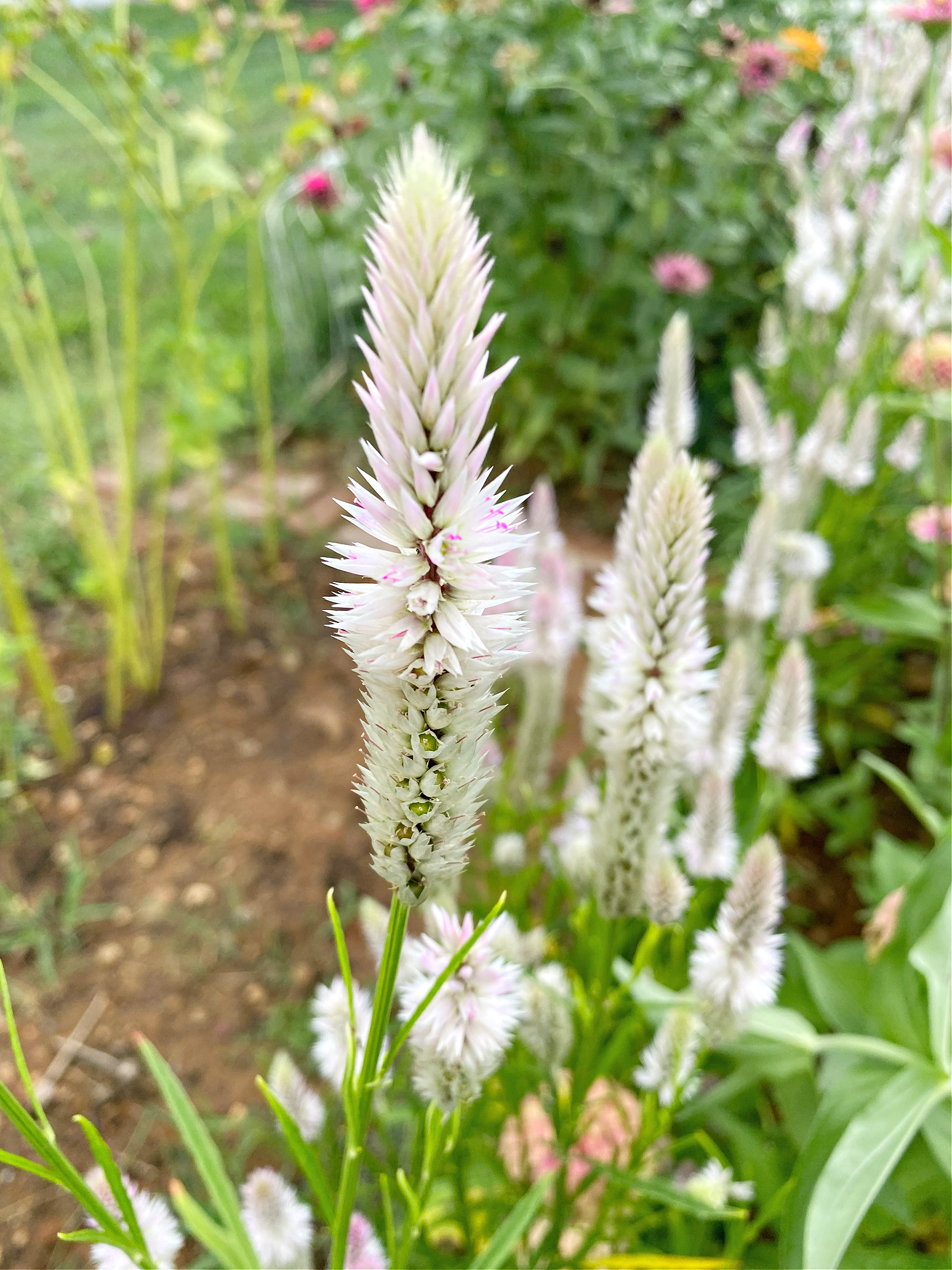
Celosia, commonly called cockscomb, is a sure thing for drying. It loves heat, produces generously, and holds color beautifully. It also brings texture, those bold shapes make arrangements feel full without needing a ton of stems.
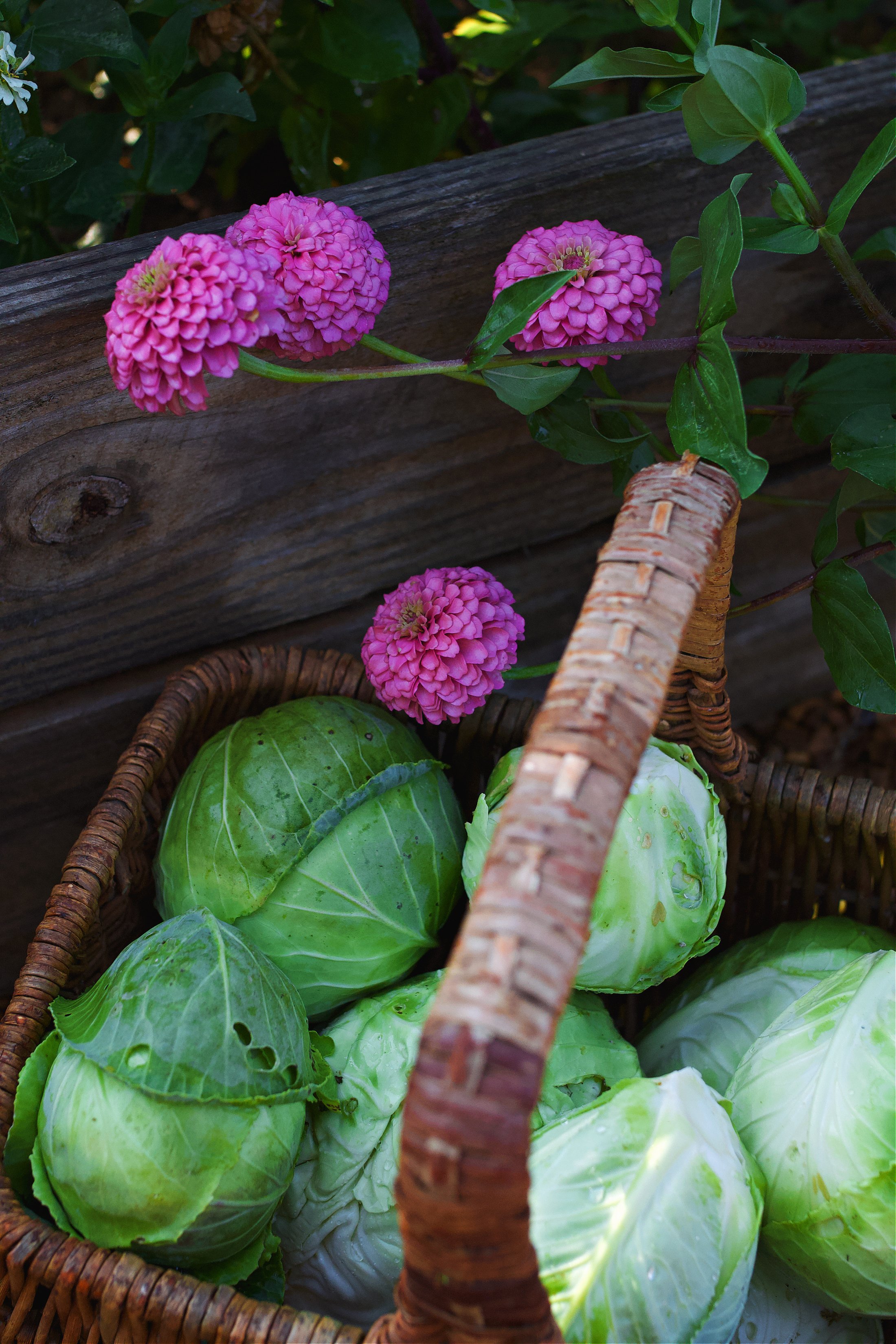
2. Zinnias
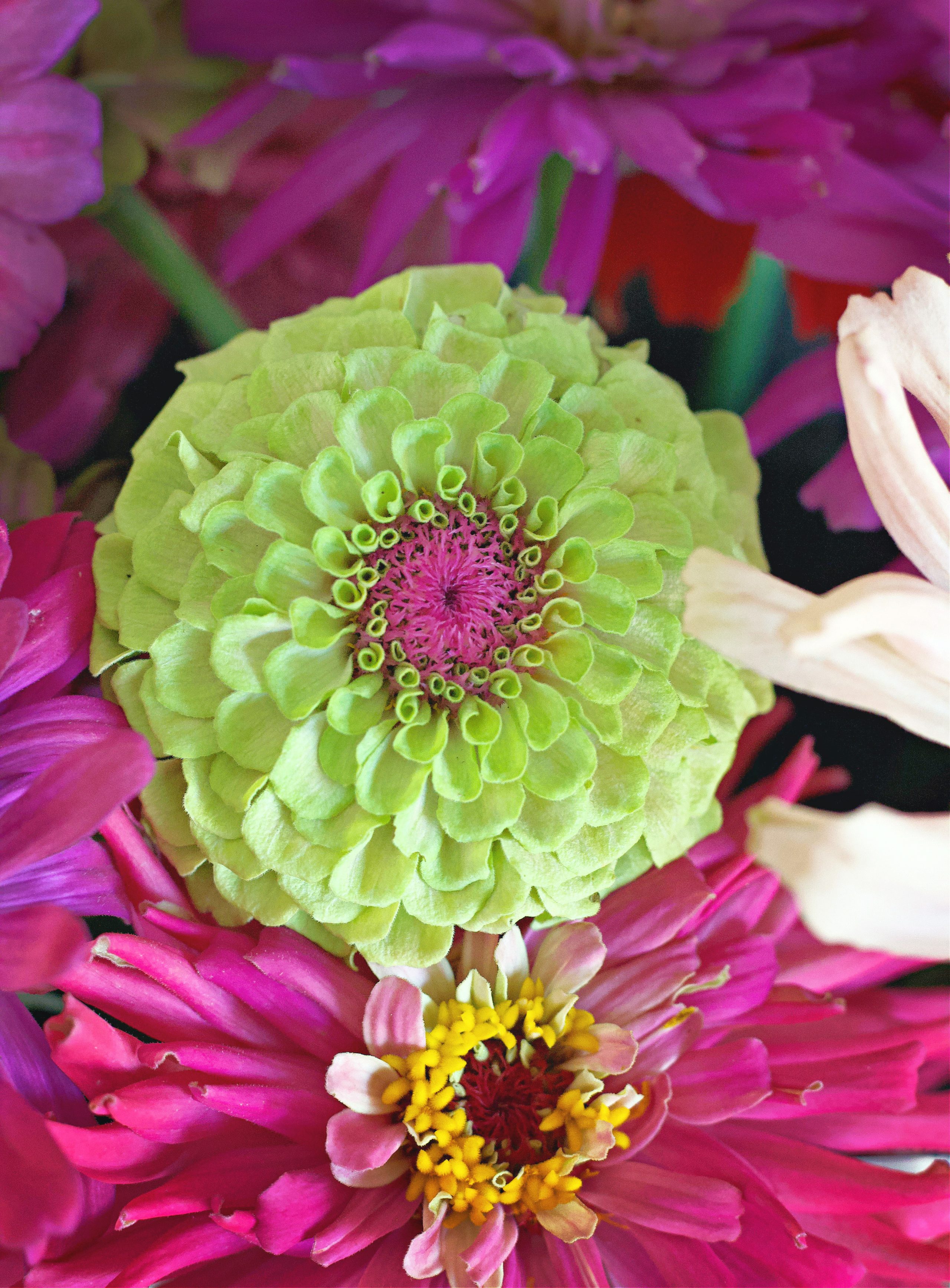
Zinnias are easy, cheerful, and reliable. They give you endless blooms, and the color options are hard to beat. For drying, I prefer harvesting them before they're fully mature so they keep their shape better.
3. Amaranth
Amaranth adds drama in the best way. The trailing varieties drape like a waterfall in an arrangement. Dry it upside down (for more traditional shaping) or experiment with upright drying if you want the drape to hold differently.
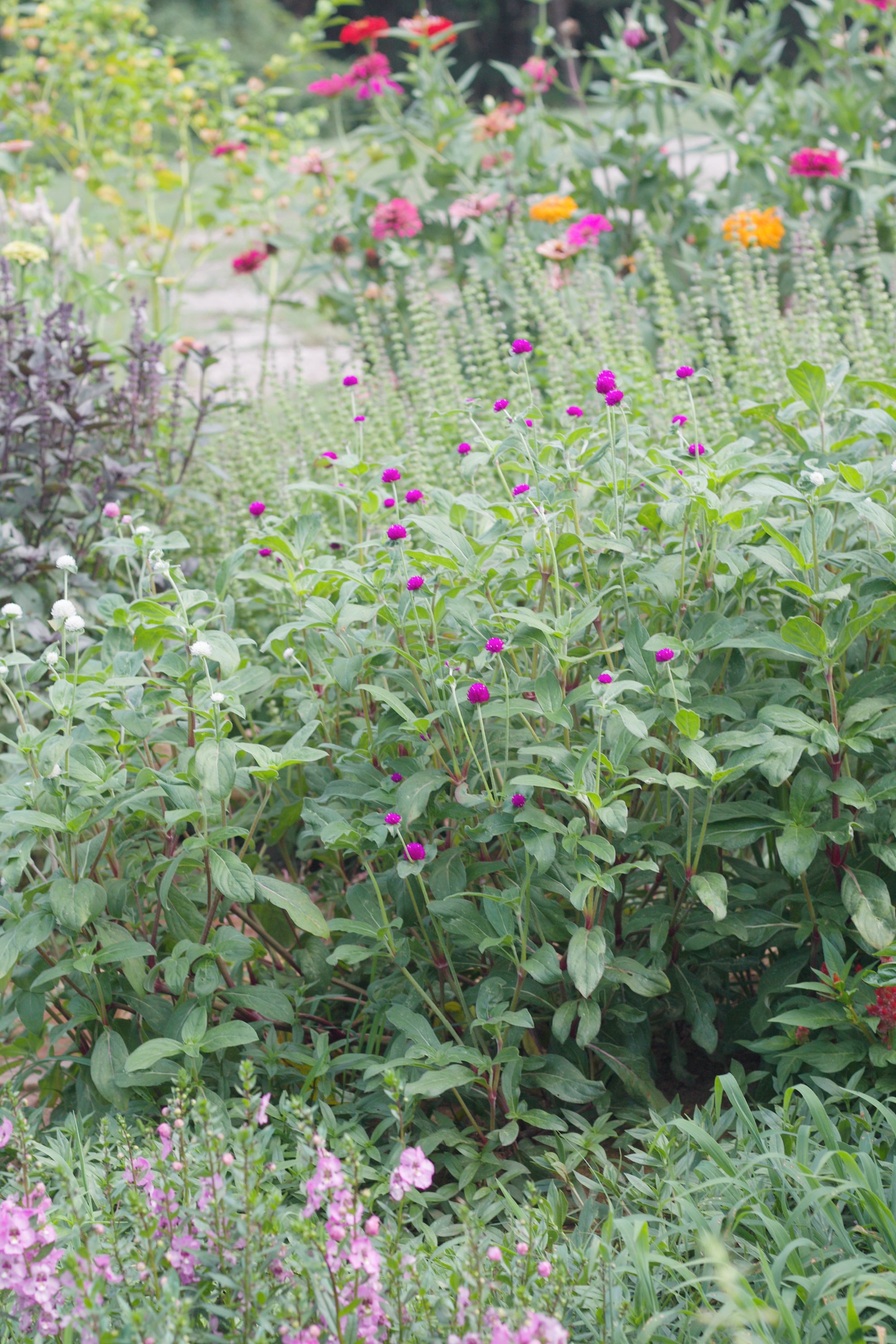
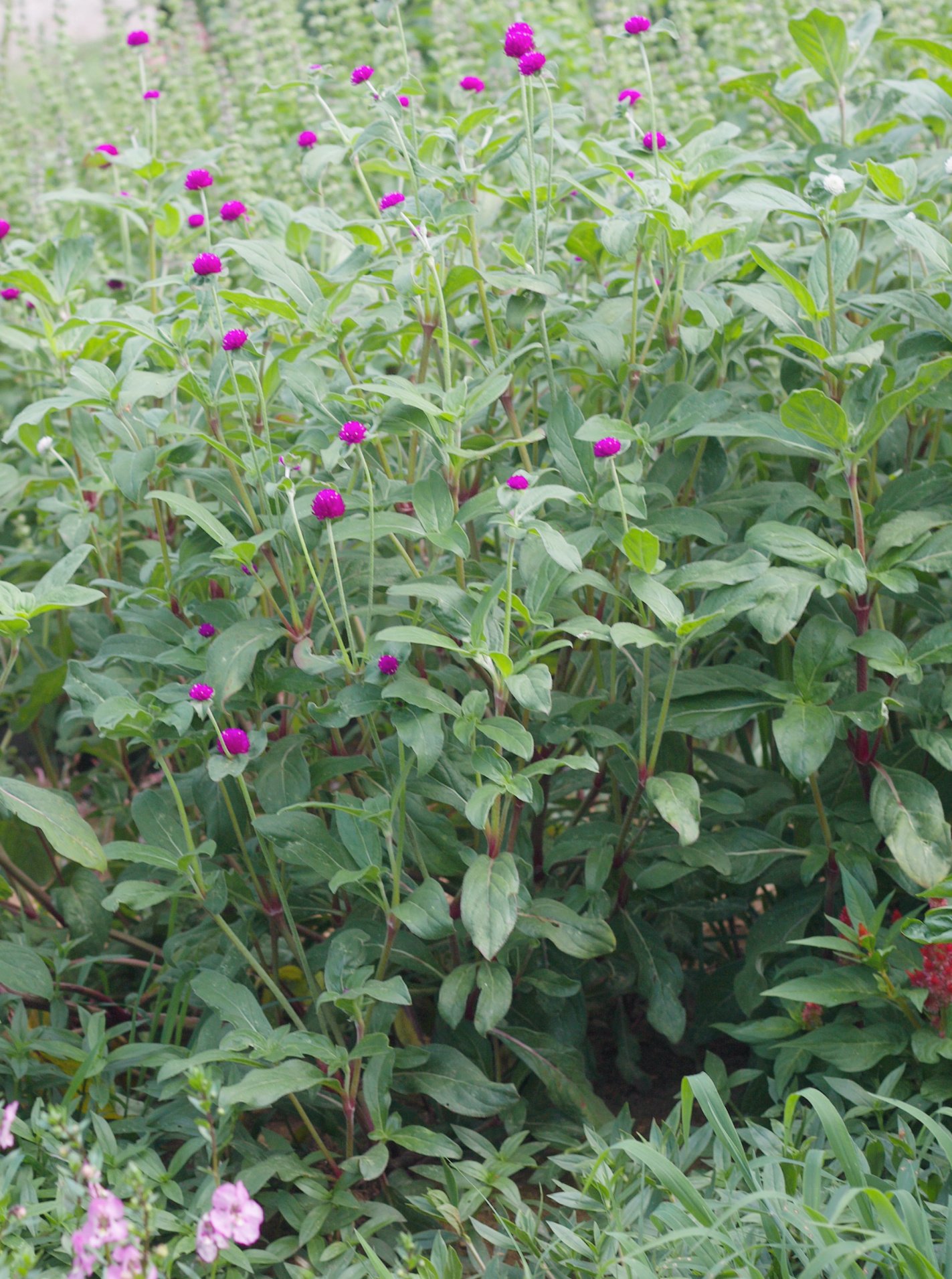
4. Globe Amaranth
Gomphrena, commonly known as globe amaranth, is truly plant-and-forget. It blooms steadily, you can harvest it repeatedly, and it dries easily while holding its shape. It's one of my favorites for filling jars and small bundles.
5. Strawflowers
Strawflowers basically feel dried while they're still growing. They keep their bright colors, have long stems, and are tough enough that you don't feel like you're handling something fragile. A great beginner flower for drying.
6. Roses
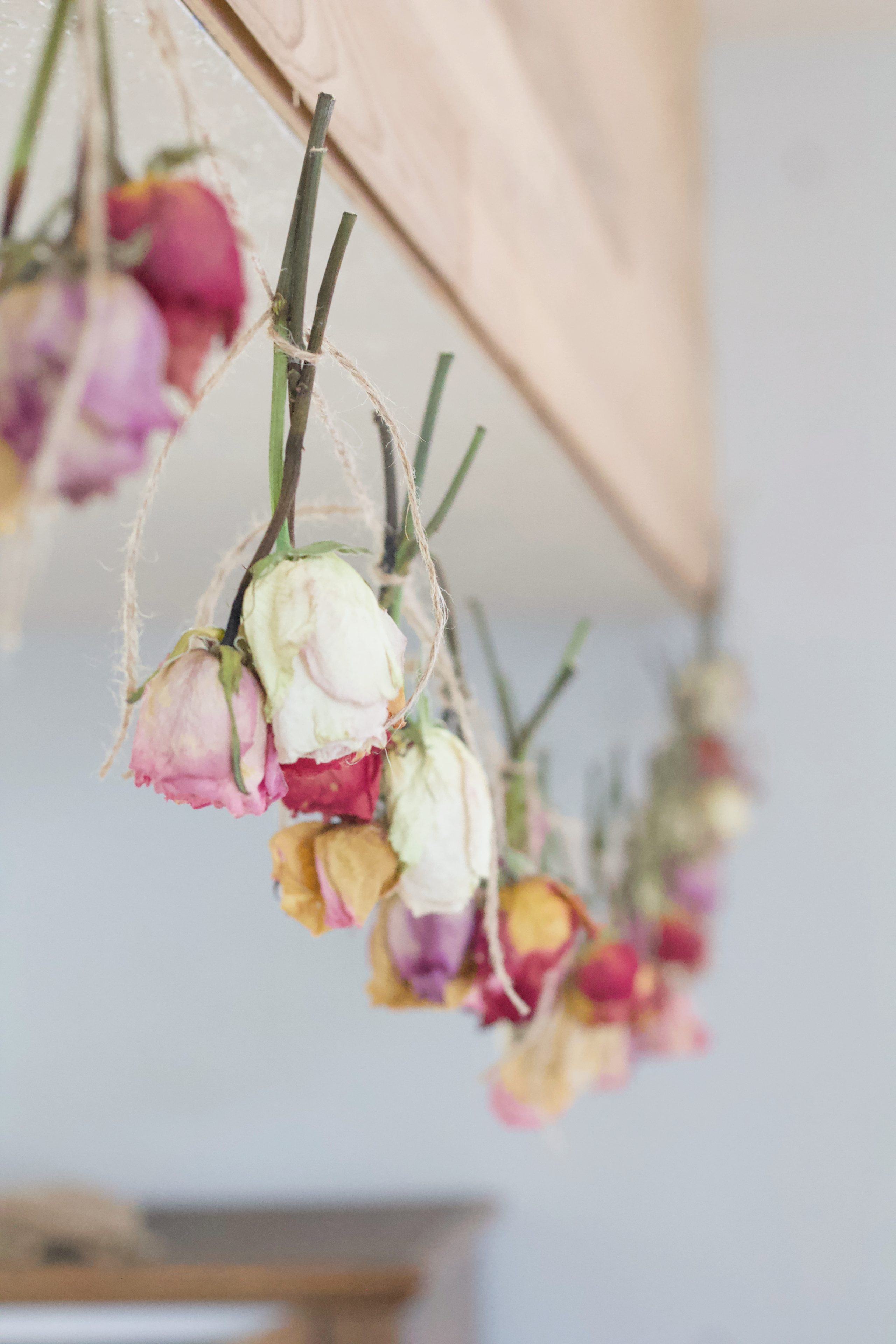
I've dried roses for years, especially bouquets Travis brought home. Hung upside down in a quiet spot, they dry into something soft and nostalgic. They also look beautiful mixed with sturdier flowers like strawflowers or yarrow. Rose petals are also great dried for potpourri.
7. Lavender
Lavender is a dried-flower classic for a reason. It works as filler in dried arrangements, smells amazing, and can be used in sachets, simple bath projects, and other home uses beyond decor.
8. Yarrow
Yarrow adds texture and a more "wild garden" feel. It dries well, looks lovely in bundles, and has a long history as an herb. It's one of those plants that's both pretty and practical.
Honorable Mentions: 5 More Flowers You Can Dry
If you want to expand beyond the top eight, these are great options to consider:
- Statice - stiff stems, papery blooms, excellent color retention
- Bunny Tails Grass (Lagurus ovatus) - soft, neutral texture, dries easily
- Baby's Breath - classic filler, light and airy in arrangements
- Hydrangeas - gorgeous dried, but timing matters (more on that in FAQ)
- Nigella (Love-in-a-Mist) Seed Pods - not the flower itself, but the pods are stunning dried
- Larkspur - It dries exceptionally well, retains its vibrant color and holds its shape.
- Sweet Annie - Dries exceptionally well, has a sweet fragrance and feathery foliage, making it a great choice for wreaths and as a filler in floral arrangements.
How to Dry Flowers at Home
You don't need special equipment. If you can tie twine and find a dry spot with airflow, you can dry flowers.
Harvest at the right time.
Mid to late morning is ideal-after dew dries, before heat wilts blooms.
Remove lower leaves.
Leaves trap moisture and can mold.
Bundle small.
Smaller bundles dry better. (Think 6-10 stems, fewer for thick stems.)
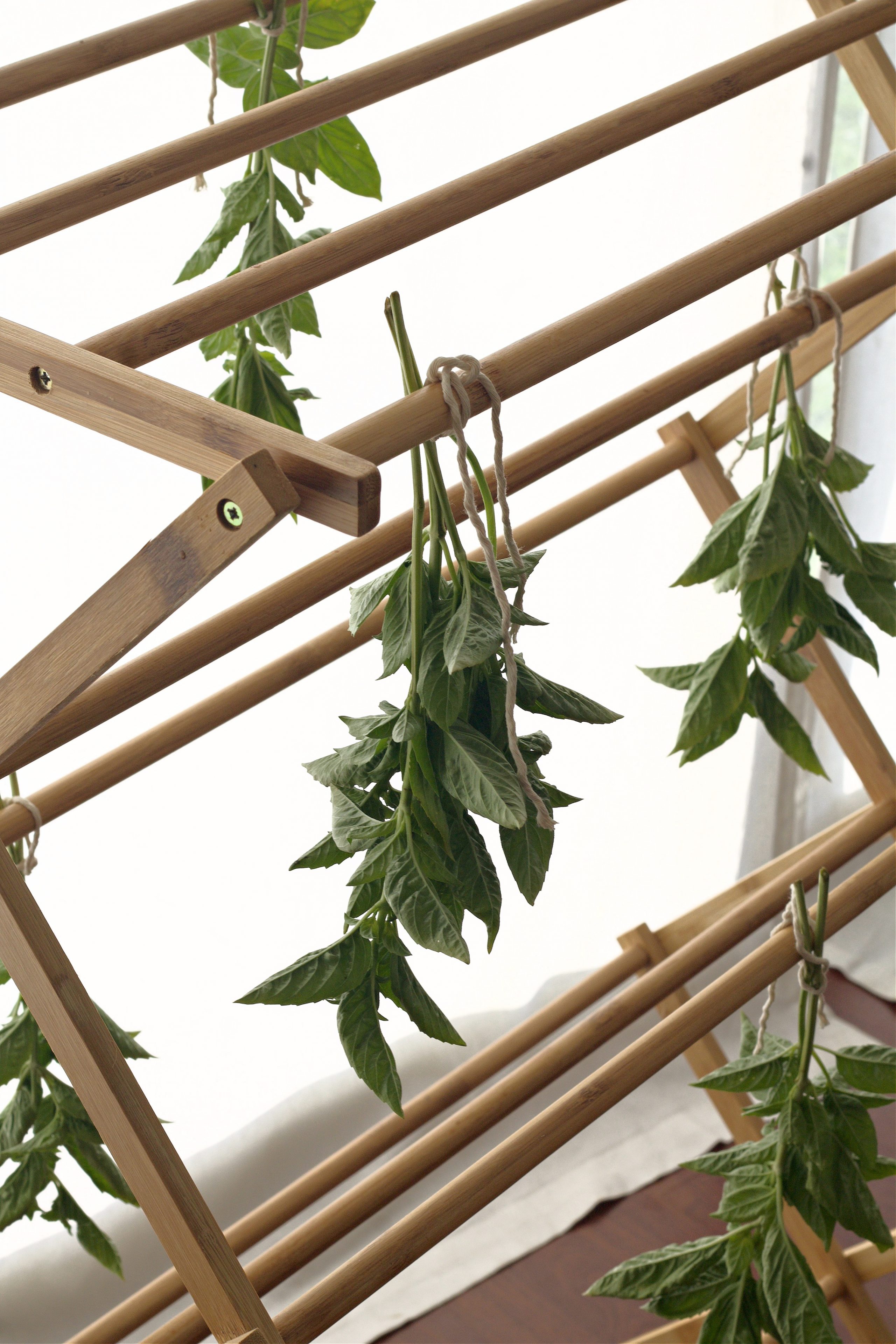
Tie tight.
Stems shrink as they dry. Twine, rubber bands, or both work well.
Hang upside down.
Choose a space with airflow-pantry, closet, spare room, rafters. Keep them out of direct sunlight if you want better color.
Dry time: 1-3 weeks.
They're ready when stems snap instead of bend.
Store gently until you arrange.
A box or paper bag keeps them protected if you're not using them right away.
When to Harvest Flowers for Drying
Timing matters more than people realize. The goal is to harvest when blooms are fresh and strong-not limp and not over-mature.
- Best time of day: mid to late morning
- Avoid: late afternoon heat (more wilting)
- Cut stems cleanly and get them hung quickly
If you're drying something thicker (like hydrangeas), you'll want to pay extra attention to maturity-too early and they flop, too late and they shatter.
Things you might need:

FAQ: Drying Flowers at Home
Most dried flowers look great for 6-12 months, sometimes longer. Sunlight fades them faster, and humidity shortens their lifespan.
Usually one of these:
harvested too late (already stressed/wilted)
dried in direct sun
dried in high humidity with poor airflow
Smaller bundles and a darker, drier spot fix most issues.
Yes, some flowers do well with vase drying. Put stems in a jar with a tiny amount of water and let it evaporate slowly. Hang drying is still the most dependable overall.
Wait until blooms start to feel slightly papery on the plant. If you cut them too fresh, they tend to wilt instead of dry.
Closing Thoughts from the Homestead
Dried flowers are one of my favorite ways to stretch the garden season. They bring a little life into the house when the outdoor world goes quiet, and they make simple arrangements feel special without being fussy.
If you try any of these flowers this year, I'd love to hear what you grow and what dries best for you. Come say hi on Instagram, and if you're in a garden mood, hop over to a few related posts on the blog before you go.